Monkeypox Vaccines Not 100% Efficient, People Must Reduce Their Own Risk Of Infection: WHO
According to WHO General Tedros Adhanom Ghebreyesus, 7500 cases of monkeypox were reported last week, indicating a 20 per cent increase in the number of cases over the previous week.
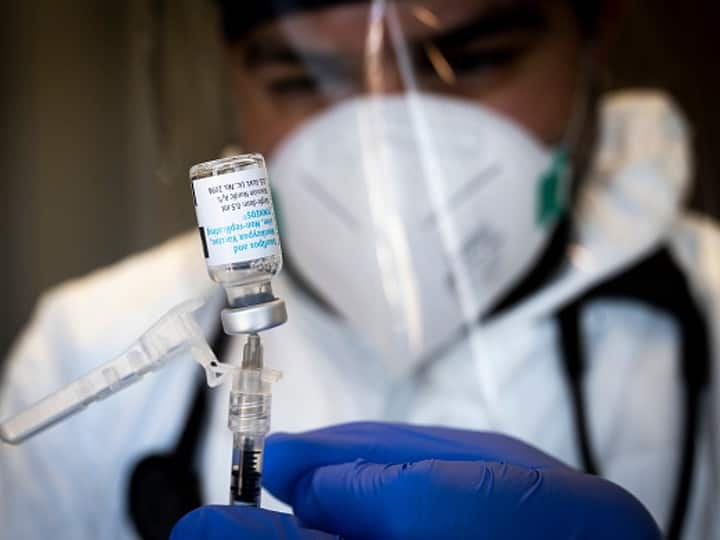
Amid concerns over rising cases of monkeypox, the World Health Organisation on Wednesday said that the vaccines against the disease are not 100 per cent effective and that people should reduce their own risk of infection, reported news agency ANI. This comes as more than 35,000 cases of monkeypox have been reported worldwide across more than 92 countries with 12 fatalities.
Addressing a press briefing, WHO technical lead Rosamund Lewis said that WHO is "not expecting a 100 per cent efficacy" for these vaccines for the prevention of monkeypox.
"We don't have the exact information... it reminds us that vaccine is not a silver bullet? That every person who feels that they are at risk and appreciates the level of risk and wishes to lower their risk have many interventions at their disposal, which includes vaccination where available, but also includes protection from activities, where they may be at risk," she said.
According to WHO General Tedros Adhanom Ghebreyesus, 7500 cases of monkeypox were reported last week, indicating a 20 per cent increase in the number of cases over the previous week.
ALSO READ: Covid Has Not Forgotten Us, Says WHO. Warns Against High-Risk Transmission In Coming Days
Ghebreyesus added that most of the monkeypox cases are being reported from Europe and the Americas among men who have sex with men.
"More than 35,000 cases of monkeypox have now been reported to WHO, from 92 countries and territories, with 12 deaths. Almost 7,500 cases were reported last week, a 20 per cent increase over the previous week, which was also 20 per cent more than the week before," he said during a media briefing.
The WHO chief, back in July, had announced that the global monkeypox outbreak represents a public health emergency.
The monkeypox virus is not easily transmissible and usually spreads through close physical contact, including sexual contact, with an infected individual.
Most people usually recover from monkeypox within a few weeks without treatment. The symptoms are initially flu-like, such as fever, chills, and swollen lymph nodes, which are then followed by a widespread rash.
According to the WHO, the disease can be more severe in young children, pregnant women, and individuals who are immunocompromised.
Check out below Health Tools-
Calculate Your Body Mass Index ( BMI )
Top Headlines