Can You Safely Eat Eggs And Chicken? Doctors Answer As H5N1 Spreads In Maharashtra, MP, Andhra, Telangana
Now that the cattle, poultry, and animals in the wild in India at several places have been confirmed to have caught the H5N1 bug, here's a primer on how you can stay safe, and whether you can continue eating eggs, meat, poultry products.
A new variant of the bird flu has led to an infection in a dairy worker in Nevada in the US, marking it the first human case of the H5N1 avian influenza in Nevada, US news website USA Today reported.
The case of transmission to humans is different from the H5N1 human infection death reported in the state of Louisiana, US in January this year. And though India has not reported any cases of human infections of Bird Flu, the H5N1 variant of the Avian Influenza has come knocking closer home as several states in India are reporting animal and bird infections.
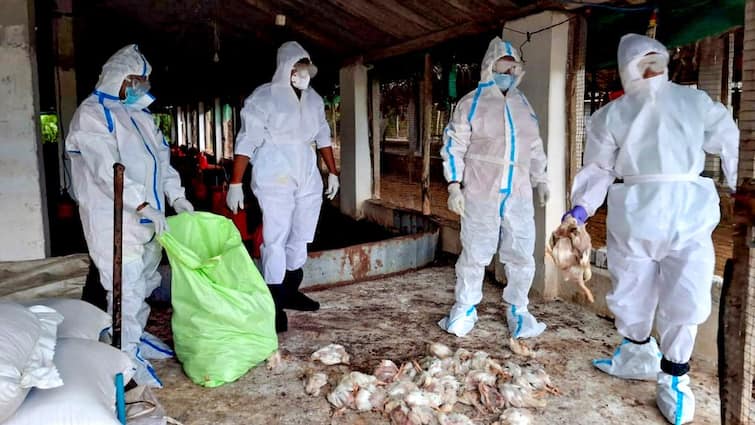
Across Maharashtra, nearly 7,200 poultry birds have been culled and approximately 2,230 eggs destroyed in the 7 epicentres of areas affected by the avian influenza contagion since January this year, the Indian Express reported.
As per operational protocol, all birds, eggs, and animal feed has to be destroyed within 5 km radius of the area where the first incident was reported. Most of the outbreaks have been reported in the unorganised and backyard poultry farms with the organised sector being spared of the outbreak, the report said.
Not just birds, the virus is infecting animals in the domestic and wild sectors. Mortality reported due to the flu till date is 693 which includes three tigers and one leopard. The big cats were housed in the Gorewada Rescue Center in Nagpur. Till February 6, Maharashtra reported seven epicentres of bird flu incidents from the districts of Latur, Nanded, Nagpur, Thane, Raigad and Chandrapur.
Cases of infections by H5N1 in animals and birds are being reported across several states in India - including Madhya Pradesh, Andhra Pradesh, Telangana etc.
Having seen the severity of the COVID-19 virus pandemic, there is palpable fear among people regarding the likelihood of an unchecked spread of the Avian influenza.
ABP News Live Spoke to a well-known medical practitioners - Dr. Pradeep Bajad, Senior Consultant, Pulmonary Medicine, Amrita Hospital, Faridabad and Dr Yashaswini L S, Senior consultant Physician & Diabetologist, Bangalore Hospitals - about what precautions you can take to keep yourself and the family safe, how to handle the food items in the fridge, whether you can eat meat and poultry (eggs, chicken), and whether to eat non-vegetarian food at all. Here's what we learnt.
ABP: Is it safe to eat poultry and chicken products?
Dr. Pradeep Bajad: Yes, consuming properly cooked poultry and eggs is safe. The bird flu virus is sensitive to heat and is destroyed when food reaches an internal temperature of 165°F (74°C). Ensure that all poultry products are cooked thoroughly and avoid raw or undercooked dishes. According to the Centers for Disease Control and Prevention (CDC), cooking poultry and eggs to the appropriate internal temperature kills bacteria and viruses, including avian influenza A viruses.
Dr Yashaswini L S: It is safe to eat poultry and chicken products if they are properly cooked. Bird flu does not spread through consuming well-cooked meat, eggs, or dairy. Ensure good hygiene when handling raw meat—wash hands, clean surfaces, and use separate utensils for raw and cooked foods. Always buy poultry from reputable sources following safety standards. So far, no human infections have been linked to properly cooked poultry consumption.
ABP: What precautions should be taken generally to stay safe?
Dr. Pradeep Bajad: To minimize the risk of bird flu infection, the following steps should be taken
-Avoid Direct Contact: Refrain from touching live or dead birds, especially in affected areas.
-Hand Hygiene: Wash your hands thoroughly with soap and water after handling poultry products or coming into contact with bird droppings.
-Protective Measures: If you work in environments with potential exposure to infected birds, wear appropriate personal protective equipment.
-Stay Informed: Keep abreast of local health advisories and follow guidelines issued by health authorities.
The University of Chicago Medicine recommends avoiding contact with wild, sick, or dead birds and livestock, and washing hands thoroughly and often to protect yourself from bird flu.
Dr Yashaswini L S: Wash hands with soap after handling birds or animals, especially before eating. Avoid touching your face, particularly your eyes, nose, and mouth. If working with birds, wear gloves, masks, and change clothes afterward. Avoid direct contact with sick or dead birds and report unusual deaths to authorities. People with weaker immune systems, children, and the elderly should take extra precautions. Good hygiene and staying updated on outbreaks help minimize risk.
ABP: What precautions should be taken while consuming meat, chicken, poultry, and dairy products?
Dr. Pradeep Bajad: When handling and consuming these products ensure:
-Proper Cooking: Ensure all meat and poultry are cooked to an internal temperature of at least 165°F (74°C).
-Eggs: Cook eggs until both the yolk and white are firm. Avoid dishes that use raw or undercooked eggs.
-Dairy Products: Consume only pasteurized dairy products. Pasteurization effectively kills potential pathogens, including the bird flu virus.
-Kitchen Hygiene: Prevent cross-contamination by using separate utensils and cutting boards for raw and cooked foods. Clean surfaces and hands thoroughly after handling raw products.
The CDC advises that eating uncooked or undercooked poultry or beef or drinking unpasteurized (raw) milk can make you sick, and cooking poultry, eggs, and beef to the appropriate internal temperature kills bacteria and viruses, including avian influenza A viruses.
Dr Yashaswini L S: Cook poultry and eggs thoroughly at 70°C (158°F) to kill viruses. Consume only pasteurized dairy products and avoid raw or undercooked meat and eggs. Store raw poultry separately from cooked foods to prevent cross-contamination. Use different cutting boards and knives for meat and vegetables, washing them thoroughly after use. Refrigerate meat properly and avoid refreezing thawed products. Buy poultry, meat, and dairy from trusted vendors following hygiene protocols. These measures help ensure food safety and reduce infection risks. By adhering to these guidelines, you can significantly reduce the risk of avian influenza transmission through food consumption.
Check out below Health Tools-
Calculate Your Body Mass Index ( BMI )
Calculate The Age Through Age Calculator
Related Video
Breaking: ED Busts UP Cough Syrup Smuggling Network, ₹400 Crore Fake Firms Scam Uncovered
Top Headlines