




8 Proven Tips To Make Your Cookware Last Longer
This article will provide essential tips on how to clean cookware, maintain stainless steel cookware, and properly care for various utensils to ensure they remain functional and safe for cooking.

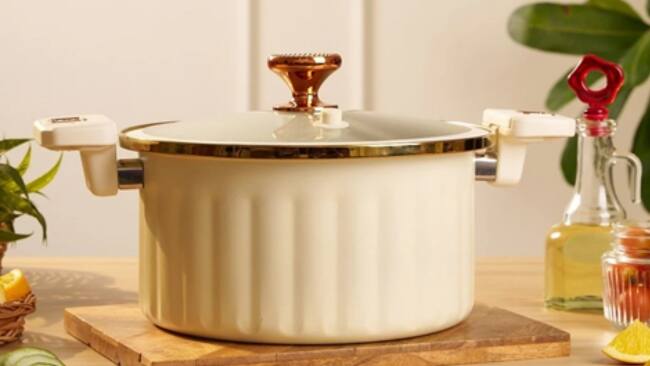
Cookware is a vital investment for any kitchen, whether you are a home cook or a professional chef· With the right care, your pots, pans, and cooking utensils can last for years, saving you money and ensuring your meals are cooked to perfection· From non-stick cookware to cast iron cookware, each type requires specific maintenance to keep it in optimal condition· But how can you make sure your cookware stands the test of time?
This article will provide essential tips on how to clean cookware, maintain stainless steel cookware, and properly care for various cooking utensils to ensure they remain functional and safe for cooking· Read on to discover the best ways to extend the lifespan of your cookware while keeping your kitchen eco-friendly and budget-friendly·
First Time Use
When you buy new cookware, it’s important to prepare it properly before using it for the first time· The initial steps will ensure longevity and improve performance·
Cleaning Before Use
No matter the material, all cookware should be washed with warm water and a mild dish soap before its first use· This helps remove any manufacturing residues, dust, or chemicals that might have settled on the surface·
Seasoning Your Cookware
Certain types of cookware, like cast iron cookware and some non-stick cookware, benefit from seasoning before their first use· Seasoning creates a non-stick surface and prevents rust·
- Cast Iron Cookware: Apply a thin layer of vegetable oil and bake it in the oven at 375°F for an hour·
- Non-Stick Cookware: Lightly coat with oil and heat on low for a few minutes to reinforce the non-stick surface·
- Carbon Steel Cookware: Similar to cast iron, carbon steel pans also require seasoning to develop a natural, non-stick patina over time·
Additionally, for stainless steel cookware, a quick warm-up with oil before its first use can help condition the metal and improve cooking performance·
Things To Follow Every Day
To make your cookware last longer, daily maintenance is crucial· Simple habits can prevent unnecessary wear and tear·
1. Follow Proper Cleaning Methods
Cleaning your cookware correctly is the key to its longevity· Each type of cookware requires different cleaning techniques·
- Non-Stick Cookware: Wash with warm water and a soft sponge· Avoid steel wool or harsh scrubbers·
- Stainless Steel Cookware: Use baking soda and vinegar for tough stains· Avoid using bleach or harsh chemicals·
- Cast Iron Cookware: Avoid using soap; instead, scrub with salt and oil to maintain the seasoning·
- Copper Cookware: Use a mixture of lemon juice and salt to remove tarnish without damaging the surface·
2. Avoid Abrasive Materials
Scrubbing cookware with abrasive materials can cause damage over time· Instead, use alternatives such as:
- Baking soda paste for burnt food·
- Soaking in warm water and vinegar to loosen residue·
- Wooden or silicone spatulas instead of metal utensils to prevent scratches·
3. Choose The Right Cookware
Using the wrong cookware can damage the material and even affect the taste and safety of your food·
Examples of Incorrect Usage:
- Using non-stick cookware for high-heat cooking can wear down the coating, releasing harmful chemicals·
- Cooking acidic foods like tomato sauce in cast iron cookware without proper seasoning can cause metallic flavors·
- Using aluminum cookware for highly acidic dishes may lead to leaching of metal into food·
- Placing glass cookware directly on a stovetop can lead to breakage due to sudden temperature changes·
Instead, invest in cookware that suits your cooking needs and follow manufacturer guidelines to avoid damage·
4. Use Low Heat
Many home cooks make the mistake of using high heat, which can warp or damage cookware·
- Non-stick cookware: High heat can break down the non-stick surface over time· Always use medium or low heat·
- Stainless steel cookware: High heat can cause discoloration and food to stick· Preheat at medium heat before adding oil·
- Cast iron cookware: Can withstand high heat but should be heated gradually to prevent cracking·
- Glass Cookware: Extreme heat fluctuations can cause breakage, so gradual heating is recommended·
Proper Preheating Tips:
- Allow the pan to warm up before adding oil or ingredients·
- For stainless steel cookware, do the water drop test: sprinkle a few drops of water; if they dance around, the pan is ready·
- Non-stick cookware should be preheated on low heat to avoid damaging the coating·
5. Avoid Sharp Products
- Sharp objects like metal spatulas and knives can scratch or damage cookware surfaces·
- Non-stick cookware: Use wooden, silicone, or plastic utensils instead of metal ones·
- Cast iron cookware: Avoid metal utensils if your pan is not well-seasoned·
- Stainless steel cookware: Can handle metal utensils, but using softer utensils prevents surface damage·
- Enameled Cookware: Avoid metal utensils as they can chip the enamel coating·
6. Skip The Dishwasher
While many cookware items are labeled as “dishwasher-safe,” it’s best to wash them by hand·
Why Avoid the Dishwasher?
- Harsh Detergents: Dishwashing detergents can strip seasoning from cast iron cookware and wear down non-stick surfaces·
- High Heat & Water Pressure: Extreme heat and forceful water can warp certain types of cookware·
- Risk of Corrosion: Stainless steel cookware may develop rust spots due to prolonged exposure to moisture·
- Delicate Coatings: Enamel and copper cookware can develop chips and discoloration when exposed to harsh dishwasher cycles·
Instead, hand-wash your cookware with warm water, mild soap, and a soft sponge to extend its lifespan·
7. Avoid Storing the Food In The Cookware
Leaving food in cookware for long periods can degrade the material and affect the taste of your meals·
Why Avoid Storing Food in Cookware?
- Non-stick cookware: Long-term exposure to food acids can weaken the coating·
- Stainless steel cookware: Prolonged exposure to acidic foods can cause pitting·
- Cast iron cookware: Moisture from food can lead to rust·
- Enameled Cookware: Acidic foods can cause discoloration over time·
- Use separate storage containers instead of keeping food in your pots and pans·
8. Store Your Cookware Properly
Proper storage prevents scratches, dents, and other damage·
Best Storage Practices:
- Hang Cookware: Hanging pots and pans prevents stacking damage·
- Use Protective Layers: Place paper towels or microfiber cloths between non-stick pans·
- Ensure Proper Drying: Always dry cookware before storing to prevent rust and mold·
- Use Pot Racks or Drawer Organizers: This minimizes the risk of damaging delicate coatings or scratching surfaces·
To Conclude
Choosing high-quality cookware is only half the battle; maintaining it properly ensures its longevity· Whether it’s stainless steel cookware, cast iron cookware, or non-stick cookware, each type requires specific care to keep it in the best condition· By following these simple maintenance tips, you can save money, cook efficiently, and enjoy your kitchen essentials for years· If you’re looking for high-quality cookware options, check out Home Essentials’ best cast cookware collection today!


