New York Times Sues ChatGPT-Maker OpenAI, Microsoft For 'Billions Of Dollars' Over Copyright Infringement
The New York Times asserts that "millions" of its articles were utilised without authorisation to enhance the intelligence of ChatGPT.
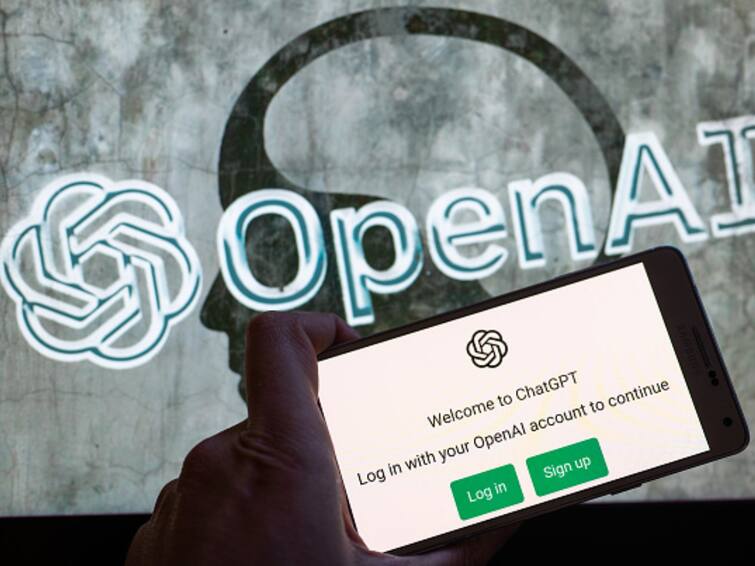
The New York Times has initiated legal proceedings against OpenAI, the parent company of ChatGPT, in a lawsuit that also involves Microsoft as a defendant. The lawsuit alleges copyright infringement, contending that the firms bear responsibility for substantial damages, potentially reaching "billions of dollars."
Large language models (LLMs) like ChatGPT acquire their knowledge by analyzing extensive datasets, often collected from various online sources. The New York Times asserts that "millions" of its articles were utilised without authorisation to enhance the intelligence of ChatGPT. The lawsuit argues that the language model now competes with the newspaper as a reputable source of information, sometimes generating "verbatim excerpts" from New York Times articles when queried about current events.
The legal filing suggests that this practice allows readers to access New York Times content without the need for a subscription, resulting in lost subscription revenue and advertising clicks for the newspaper. An additional claim involves the Bing search engine, powered by ChatGPT, allegedly producing results from a New York Times-owned website without proper attribution, thereby depriving the newspaper of referral link-generated income.
Microsoft, having invested over $10 billion (£7.8 billion) in OpenAI, is also implicated in the lawsuit. The New York Times reportedly approached both Microsoft and OpenAI in April for an "amicable resolution" to address the copyright concerns but was unsuccessful.
This legal action comes amidst a series of lawsuits filed against OpenAI in 2023. In September, a group of US authors, including renowned figures like George RR Martin and John Grisham, brought a similar copyright infringement case. Earlier in July, comedian Sarah Silverman initiated legal proceedings, while authors Margaret Atwood and Philip Pullman signed an open letter calling for compensation from AI companies using their work. Furthermore, OpenAI, along with Microsoft and GitHub, faces a lawsuit from computing experts who allege that their code was used without permission to train an AI named Copilot.
It is noteworthy that these legal disputes, including those involving generative AI developers such as Stability AI and Midjourney, remain unresolved as of now. Artists had filed lawsuits in January, claiming that these text-to-image generators functioned by training on copyrighted artwork without proper authorisation.
Top Headlines