ABP Exclusive: LeT Reinstated India’s Most Wanted Terrorist As Muridke HQ Chief A Week Before Pahalgam Attack
Hafiz Saeed reinstated Abu Zar, a wanted terrorist linked to past attacks, to head Markaz Taiba. This move, a week before the Pahalgam incident.

Three months after the deadly terrorist attack in Pahalgam, Indian security forces are hunting for the attackers. Meanwhile, ABP News has accessed exclusive information revealing a significant internal reshuffle within Lashkar-e-Taiba (LeT) that took place exactly one week before the attack. On April 15, LeT implemented a sudden change in the leadership of two of its most critical bases in Pakistan: Markaz Taiba in Muridke, Punjab, and Markaz Qudsia in Lahore, under direct orders of Hafiz Saeed. In this reshuffle, Abu Zar, a wanted terrorist in India, was reappointed as the head of Markaz Taiba.
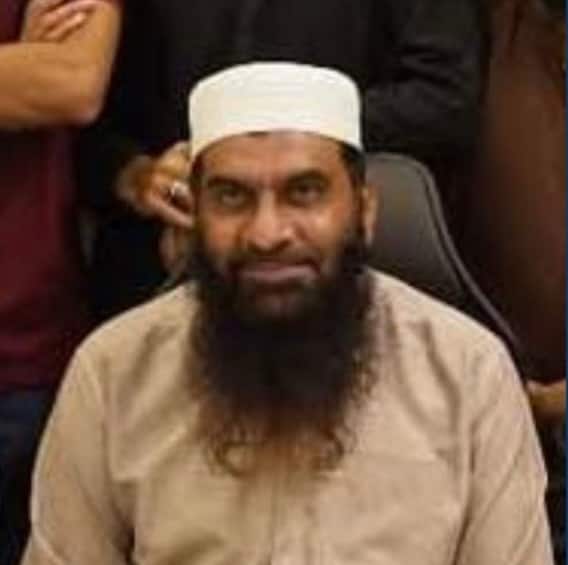
Abu Zar’s Deep Terror Links: From Hyderabad Blasts to 26/11
Abu Zar has been on India’s radar since 2006, is an accused in both the Hyderabad twin blasts in 2006 and the 26/11 Mumbai attacks, and had served as LeT’s operational chief in Jammu and Kashmir for six years. According to NIA charge sheets in the Hyderabad Blast, Abu Zar was a shared handler of the Hyderabad bombers along with Zaki-ur-Rehman Lakhvi. Investigations into 26/11 revealed that Abu Zar supplied SIM cards to Ajmal Kasab and the other 9 attackers. Between 2006 and 2008, he was active as the LeT’s top commander in Kashmir.
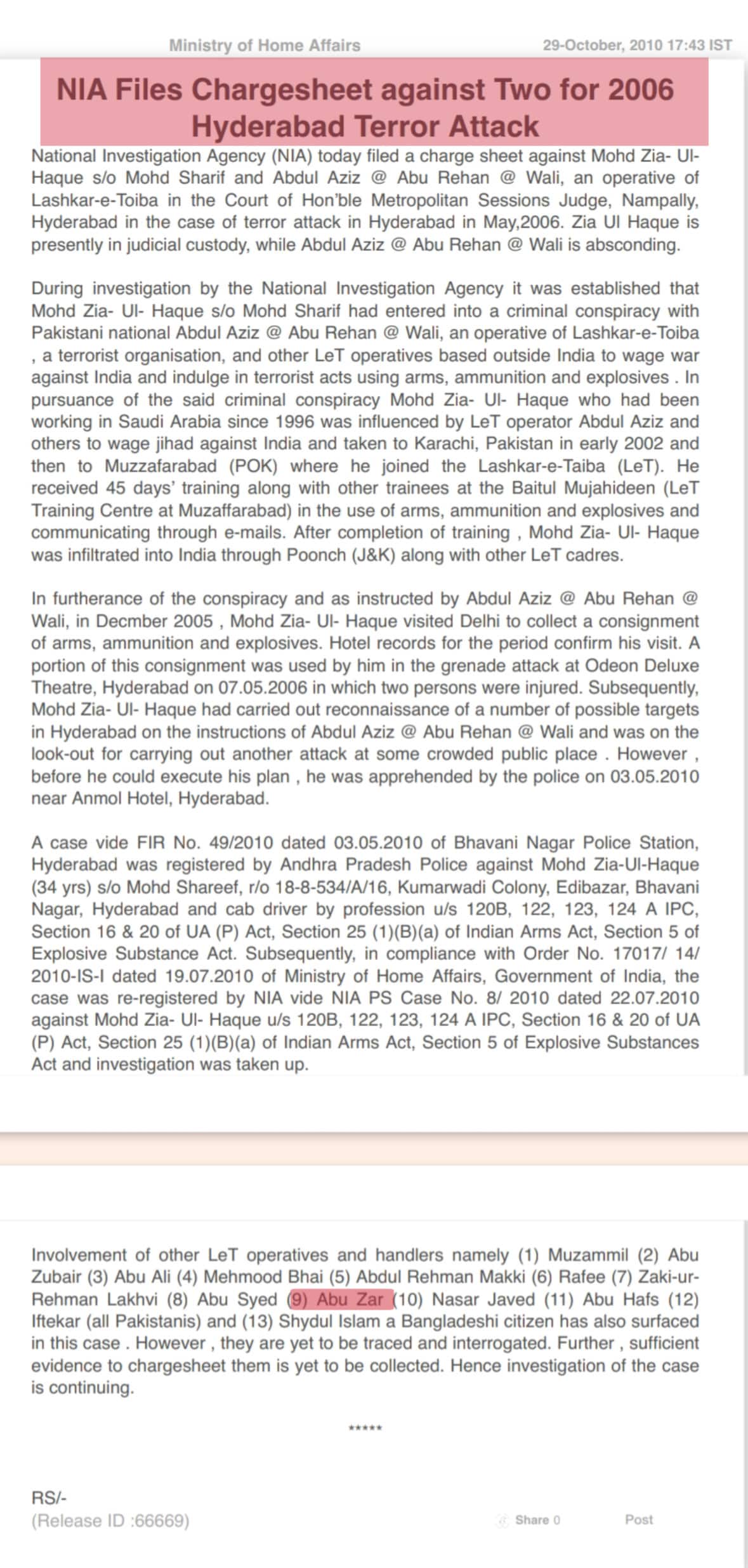
The leadership change before the Pahalgam attack raised serious concerns as Abdul Rehman Mubashir, who was heading the Muridke HQ since 2020, was not a combat-trained terrorist but a hardcore jihadi preacher focused on indoctrinating youth and managing ideological operations.
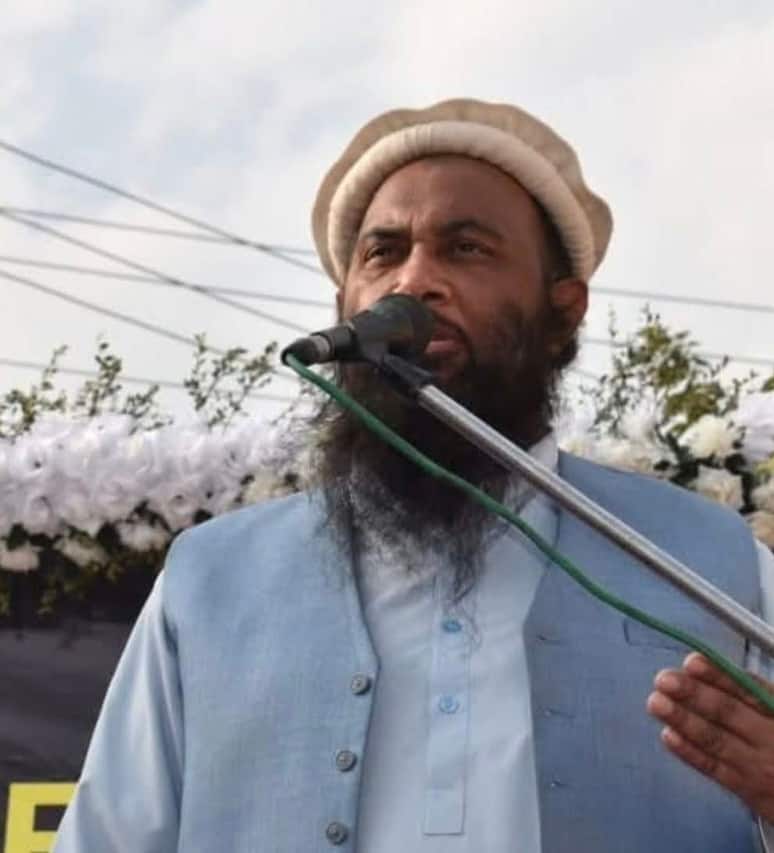
But just a week before the Pahalgam attack, Hafiz Saeed and Saifullah Kasuri handed Muridke’s command back to Abu Zar, a battle-hardened terrorist with deep operational, geographical experience and ground knowledge of Kashmir.
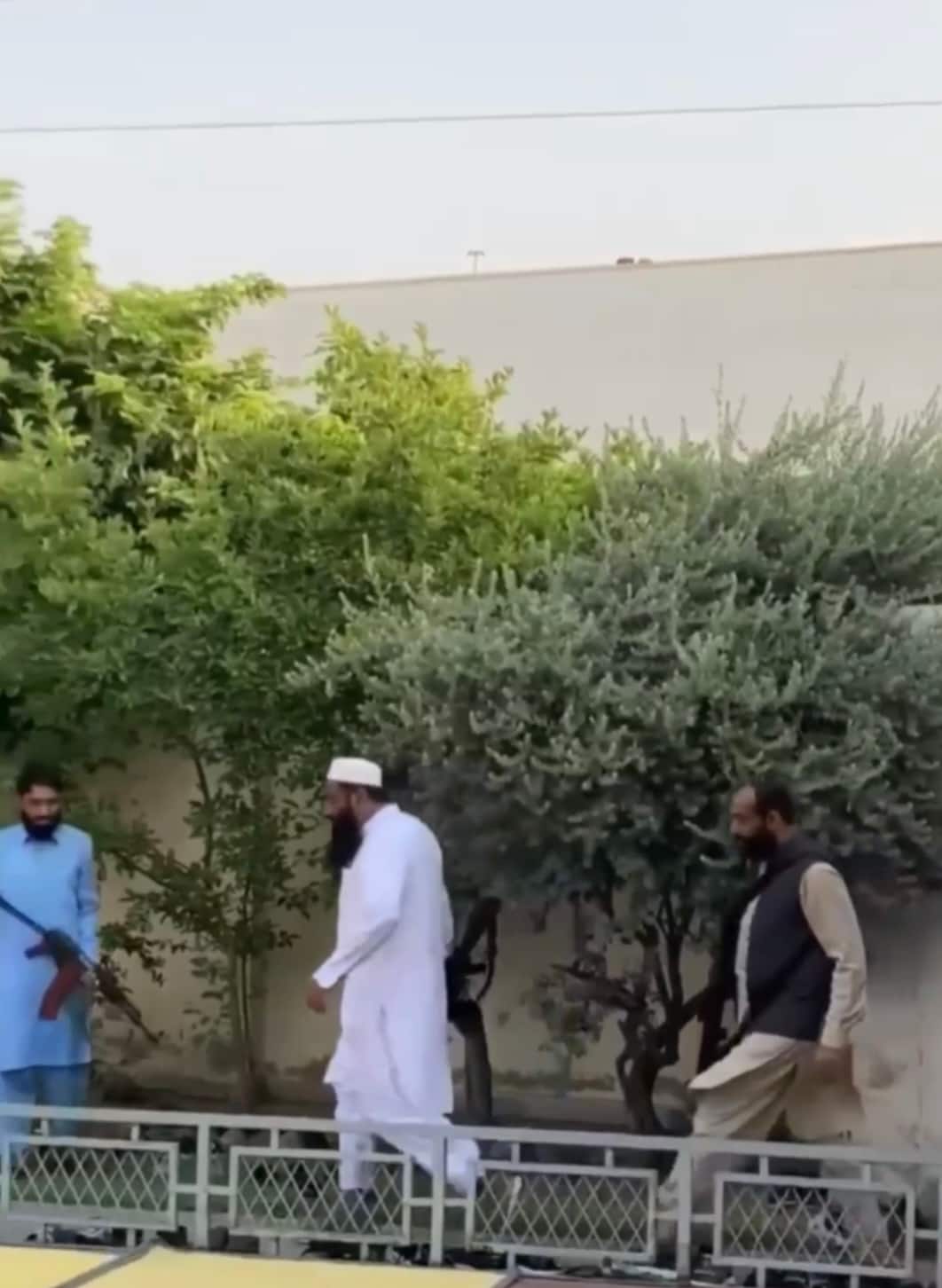
Before becoming head of LeT’s HQ, Abu Zar previously served from 2012 to 2019 as “Ustad-ul-Mujahideen” in Muridke, responsible for training fresh recruits in arms, explosives, and combat tactics. However, after the Pulwama attack and India’s Balakot strike in 2019, when FATF pressure led Pakistan to temporarily seize control of Markaz Taiba, Abu Zar was shifted to Markaz Qudsia in Lahore, a Saeed family stronghold where Hafiz’s son Talha Saeed frequently delivers jihadi speeches.
Post-2019, Abdul Rehman Mubashir was appointed head of Muridke HQ who played a vital role in expanding LeT’s new centres across Pakistan, and Abu Zar was tasked with protecting Hafiz Saeed’s family during a phase when several top LeT commanders were mysteriously assassinated by “unknown attackers”.

Sources suggest that placing Abu Zar back at the helm of LeT’s Muridke HQ just one week before the Pahalgam attack wasn’t just a routine organisational shift but potentially part of advance planning for the attack. Given that Abu Zar has deep operational knowledge of Kashmir, having run LeT’s campaigns there for six years, his return to Muridke just before the attack in Pahalgam holds investigative value. There is also a training link to the Pahalgam attack: the 3 terrorists who are suspected of attacking tourists at Baisaran Valley were trained at Markaz Taiba between 2016 and 2018, and at the same time, Abu Zar was the lead trainer or “Ustad-ul-Mujahideen” at Muridke.
Sources further indicate that after both Hafiz Saeed and Zaki-ur-Rehman Lakhvi went underground, the leadership mantle of LeT is gradually being passed to a second generation of terror commanders. Currently, Saifullah Kasuri is believed to be devising attack strategies independently with Saeed’s approval, while Abu Zar, since 15th April, occupies the same dual role once held by Zaki ur Rehman Lakhvi as operational commander and head of the HQ.
India responded to the Pahalgam attack on May 7 by striking LeT’s Muridke headquarters at 12:35 AM IST as part of Operation Sindoor. However, Abu Zar survived and has since made two public appearances. On May 9, just two days after the Indian strike, Abu Zar was leading Friday prayers in the bombed Markaz. Again on June 7, during Eid al-Adha, he was spotted with armed bodyguards inspecting the damaged facility.
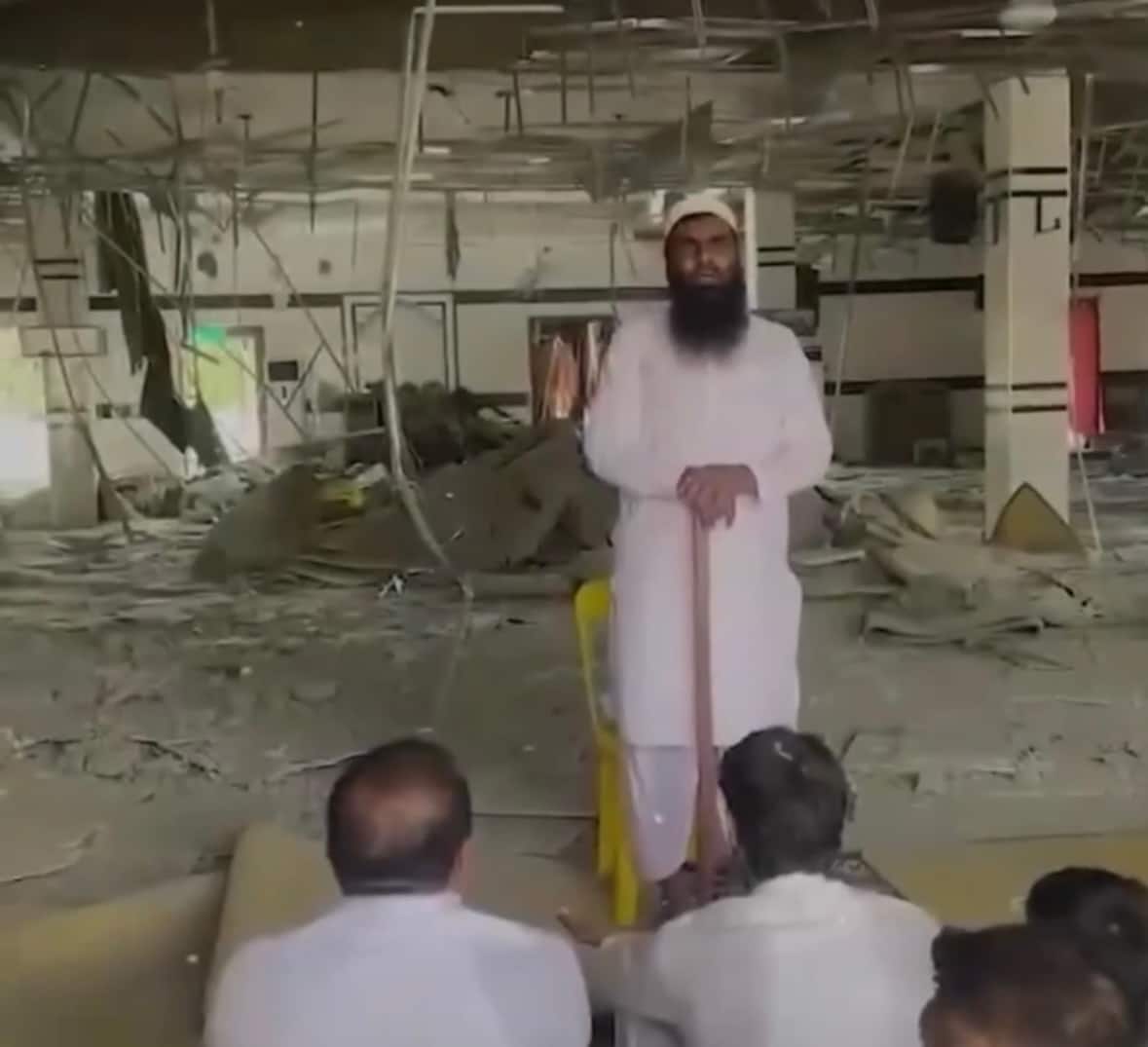
These developments point to the need for a deep investigation into the leadership reshuffle before the Pahalgam attack, especially given Abu Zar’s operational past and the proven connections between Muridke and past terrorist acts against India.
Related Video
Peace Watch: Mojtaba Khamenei Reportedly Agrees to US Talks Amid War

Top Headlines