Explorer
A Quick Guide On Major Changes In The Tax Regime In FY2025 - IN PICS
Union Finance Minister Nirmala Sitharaman introduced several changes in the Budget proposals for the tax regime in the upcoming fiscal year

With the 2024-25 fiscal year starting April 1, 2024, let’s take a look at the major changes in the tax regime that you should be aware of.
1/8
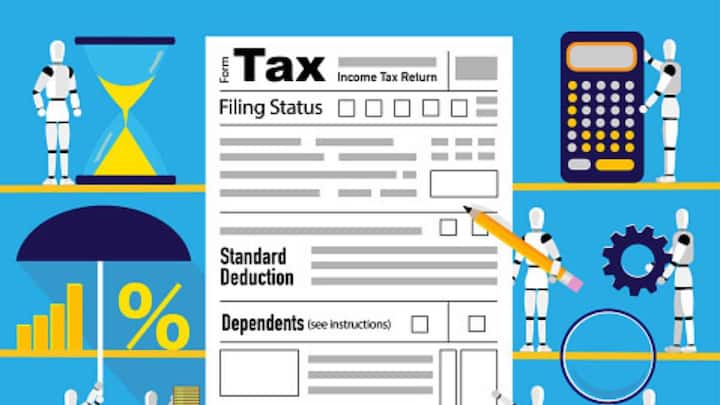
The upcoming financial year will make the new tax regime the default choice for all taxpayers, however, they will still have the option to go back to the old tax regime if it suits them. Getty
2/8

The tax norms for FY2025 will mean an increase in minimum tax threshold from Rs 2.5 lakh to Rs 3 lakh and a reduction in tax slabs from six to five. Getty
3/8
The new tax regime will allow taxpayers to benefit from an increased tax rebate threshold under Section 87A of the I-T Act, meaning taxable income upto Rs 7 lakh will essentially be tax free. Getty
4/8

Both the new and old tax regime will provide a standard deduction of Rs 50,000, aimed to help reduce taxable income for salaried individuals and pensioners. Getty
5/8

The new tax regime will also provide for a lower surcharge rate as it will reduce the highest 37 per cent to 25 per cent, providing relief for certain taxpayers. Getty
6/8
Tax exemption limit on leave encashment upon retirement has also been raised from Rs 3 lakh to Rs 25 lakh for non-government employees. Getty
7/8

Other major changes to the regime will include a taxation of maturity proceeds from life insurance policies exceeding Rs 5 lakh, issued after April 1, 2023. Getty
8/8

The corporate tax rates in the upcoming fiscal year will also be reduced from 30 per cent to 22 per cent for existing domestic firms, while new manufacturing units will be taxed at a lower rate of 15 per cent. Getty
Published at : 23 Mar 2024 02:42 PM (IST)






















View More
Advertisement
Trending News
Advertisement

Advertisement
Top Headlines
India

IndiGo Cancels More Flights As Crew Shortages Trigger Nationwide Disruptions
India

Putin’s Power-Packed India Visit: From Private Dinner With PM Modi To Defence Deals; Check Schedule
World

Democrats Unveil New ‘Disturbing’ Photos And Videos From Epstein’s Caribbean Hideaway
News
Putin To Visit India Amid US Sanctions: Dinner, Defence And Diplomacy On Cards
Advertisement