New Year 2023: Nutrition Tips To Begin The Year On A Healthy Note
What we eat and drink can impact how well our bodies are able to fight off infections, given that we are getting increasingly prone to diseases these days
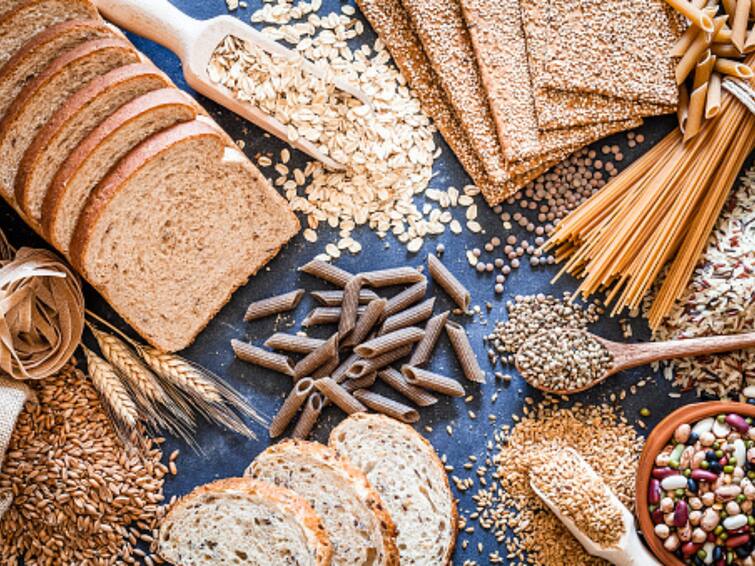
New Year: New Year is approaching and with that comes our New Year resolutions. We make a number of promises to ourselves that we try to follow throughout the year. But, no matter what your New Year's resolution is, maintaining a healthy lifestyle and eating a balanced diet will have a number of advantages throughout 2023 and beyond. What we eat and drink can impact how well our bodies are able to fight off infections, given that we are getting increasingly prone to diseases these days
Here are some nutrition tips that you need to keep in mind to start the year on a healthy note and also to remain fit throughout.
1. Skip Sugary Drinks:
Cutting the consumption of these sugary drinks will be essential to your weight loss and health goals. Try to begin your day without that big vanilla mocha coffee concoction that is loaded with sugar, or if you frequently consume soda, sports or energy drinks, or sweetened iced tea, try to avoid those too. Drinks with added sugars are associated with type 2 diabetes, cardiovascular disease, gout, and tooth decay in addition to promoting weight gain.
If you are someone who loves sugary drinks, this may sound a bit difficult but you can start by substituting one sweet beverage per day with an unsweetened option. The best options are water, seltzer, unsweetened coffee or tea, unsweetened milk, soy, or nut drinks. Once you've gotten used to the shift, reduce your consumption even more.
2. Add more beans to your diet:
Protein, fibre, iron, zinc, potassium, folate, and other nutrients are abundant in beans and other legumes, such as kidney beans, pinto beans, black beans, garbanzo, and soybean beans. Compared to other protein sources like meat, they offer more protein, fibre, and less fat. Beans and other meals high in fibre are good for the digestive system also. They support the growth of good bacteria in your gut, lower blood cholesterol levels, and lower the risk of colon cancer. Try substituting beans for half of the meat in your recipe if you're new to beans or other legumes.
3. Avoid salt unless absolutely necessary:
Increased blood pressure, a major risk factor for heart disease and stroke, can be caused by excessive salt intake. The majority of people in the globe consume twice as much salt as the WHO recommends, which is 5 grams (or one teaspoon) per day. Even if we don't add more salt to our food, we should be aware that it is frequently added in large amounts to processed foods and beverages.
To do so you can follow the following tips and tricks:
- Use little salt and fewer salty sauces and condiments when preparing and cooking food.
- Avoid salty snacks, and try to go for fresh, healthy snacks rather than manufactured ones.
- Pick fruit and vegetable varieties without salt or sugar when using canned or dry produce.
- Our tastes may quickly adjust, and once they do, you are likely to appreciate meals with less salt but more flavour! Remove salt and salty condiments from the table and try to avoid adding them out of habit!
4. Try to use yoghurt as a snacking option:
Probiotics that are helpful for the intestines can be found in yoghurt. According to recent studies, our gut bacteria have a greater impact on our health than we previously realised. Our immune system's first line of defence is our gut bacteria, which also aid in food digestion and the production of beneficial compounds for our bodies to utilise. Adults' health results and even mood states are linked to having an abundance and diversity of gut bacteria. The probiotics in Yoghurt aid in the growth and replenishment of these advantageous bacteria in your colon. However, not all yoghurts are created equal. Be sure to choose a yoghurt variety that is higher in protein and lower in added sugar and one that lists particular probiotic strains on the label.
5. Include a lot of fibre in your diet:
Replacing low-fibre foods on your plate with naturally fibre-rich options is one move that will have a significant positive impact on your total dietary pattern. Vegetables, fruits, whole grains, legumes, and nuts are plant foods that naturally include dietary fibre in addition to vitamins, minerals, and beneficial phytonutrients. A diet high in fibre is linked to a lower chance of developing diabetes, heart disease, and colon cancer, as well as a lower risk of dying from any cause, such as a heart attack or stroke. Additionally, it might aid with weight loss.
Check out below Health Tools-
Calculate Your Body Mass Index ( BMI )
Top Headlines