Benefits Of 24v Lithium Ion Battery For Home Solar Storage
Revolutionise home solar storage with 24V lithium-ion batteries. They offer superior efficiency, longer lifespan, enhanced safety, and long-term savings.


As energy costs continue to soar and extreme weather events become more frequent, homeowners are increasingly turning to solar power solutions. Recent data shows residential solar installations grew by 40% in 2023, yet many households still struggle with unreliable energy storage systems. Traditional battery technologies, with their limited capacity and frequent maintenance needs, often fail to deliver the consistent backup power modern homes require. Enter the 24v lithium ion battery system – a game-changing solution that's revolutionizing home energy storage.
This advanced technology addresses the critical challenges that have long frustrated solar adopters: inconsistent power supply, limited discharge capacity, and poor long-term value. Whether you're looking to achieve energy independence, protect against power outages, or maximize your solar investment, understanding the advantages of 24V lithium-ion batteries is crucial. From superior efficiency and longer lifespan to enhanced safety features and significant cost savings over time, these systems are setting new standards for residential energy storage.
Why Lithium Batteries Revolutionize Home Solar Storage
The transition from traditional lead-acid batteries to lithium-ion technology marks a defining moment in residential solar storage. While lead-acid batteries typically offer 50-60% energy efficiency and require replacement every 5-7 years, lithium batteries deliver over 95% efficiency with a lifespan exceeding 15 years. This dramatic improvement translates to consistent power delivery during critical moments, such as when running high-draw appliances during blackouts.
Modern lithium batteries store up to four times more energy per pound than their lead-acid counterparts, enabling compact installation without sacrificing capacity. During recent widespread outages in California, homes equipped with lithium battery systems maintained essential operations for 3-4 days, while traditional systems depleted within 24 hours. The superior energy density allows a single lithium battery bank to power an entire home, including air conditioning and electric vehicle charging, without the space requirements of multiple lead-acid arrays.
24V Lithium Battery Advantages for Off-Grid Applications
The 24V configuration represents the ideal voltage for modern residential solar installations, offering the perfect balance between power delivery and system efficiency. This voltage level allows for reduced current flow compared to 12V systems, resulting in lower heat generation and minimal power loss through cables. When paired with lithium battery technology, 24V systems can achieve remarkable depth of discharge (DoD) rates of 80-100%, compared to the 50% limitation of traditional batteries.
During a recent three-day power outage in Texas, households with 24V lithium systems maintained full functionality of essential appliances, including refrigerators and well pumps, while experiencing only a 40% battery depletion. These systems demonstrate exceptional cold weather performance, maintaining 95% of their rated capacity at temperatures as low as 20°F, far surpassing lead-acid alternatives that can lose up to 50% capacity in similar conditions. Leading manufacturers like Anern have further improved this technology by incorporating advanced thermal management systems, ensuring consistent performance across diverse climate conditions.
LiFePO4: The Safe Choice for Home Energy Storage
Lithium Iron Phosphate (LiFePO4) technology stands as the safest lithium chemistry available for residential energy storage. Independent laboratory testing demonstrates its exceptional thermal stability, maintaining structural integrity even under extreme conditions that would cause other lithium chemistries to fail. Unlike traditional lithium-ion batteries, LiFePO4 cells can withstand temperatures up to 500°C without thermal runaway, thanks to their unique crystalline structure and strong phosphate bonds.
These batteries incorporate multiple layers of protection, including built-in Battery Management Systems (BMS) that actively prevent overcharging and overheating scenarios. Each cell features pressure-relief mechanisms and internal current interruption devices that activate long before critical conditions develop. When subjected to UL safety certification tests, LiFePO4 batteries consistently outperform other chemistries, earning UL 9540A certification for residential installations. The chemistry is inherently non-toxic, containing no heavy metals or hazardous materials, making it environmentally responsible throughout its lifecycle and safe for indoor installation without special ventilation requirements.
Cost-Effectiveness Over the Battery Lifespan
When evaluating the long-term financial benefits of 24V lithium batteries, the initial investment is quickly offset by their superior performance and longevity. With a typical lifespan of 10-15 years and over 6,000 cycles at 80% depth of discharge, these systems deliver three times the usable energy of traditional batteries before replacement. A comparative analysis shows that while lead-acid batteries require replacement every 5-7 years, a single lithium installation continues performing optimally throughout its warranty period, eliminating multiple replacement cycles and associated labor costs.
The maintenance-free nature of lithium batteries eliminates the quarterly watering and monthly electrolyte checks required by flooded lead-acid systems, saving approximately $200-400 annually in maintenance costs. These batteries also qualify for various solar incentives, including the federal Investment Tax Credit and state-specific rebates, further reducing the total cost of ownership. When factoring in their higher round-trip efficiency of 95%, homeowners typically recover the price premium within 5-7 years through reduced energy losses and eliminated maintenance expenses, while continuing to deliver reliable performance for an additional 8-10 years.
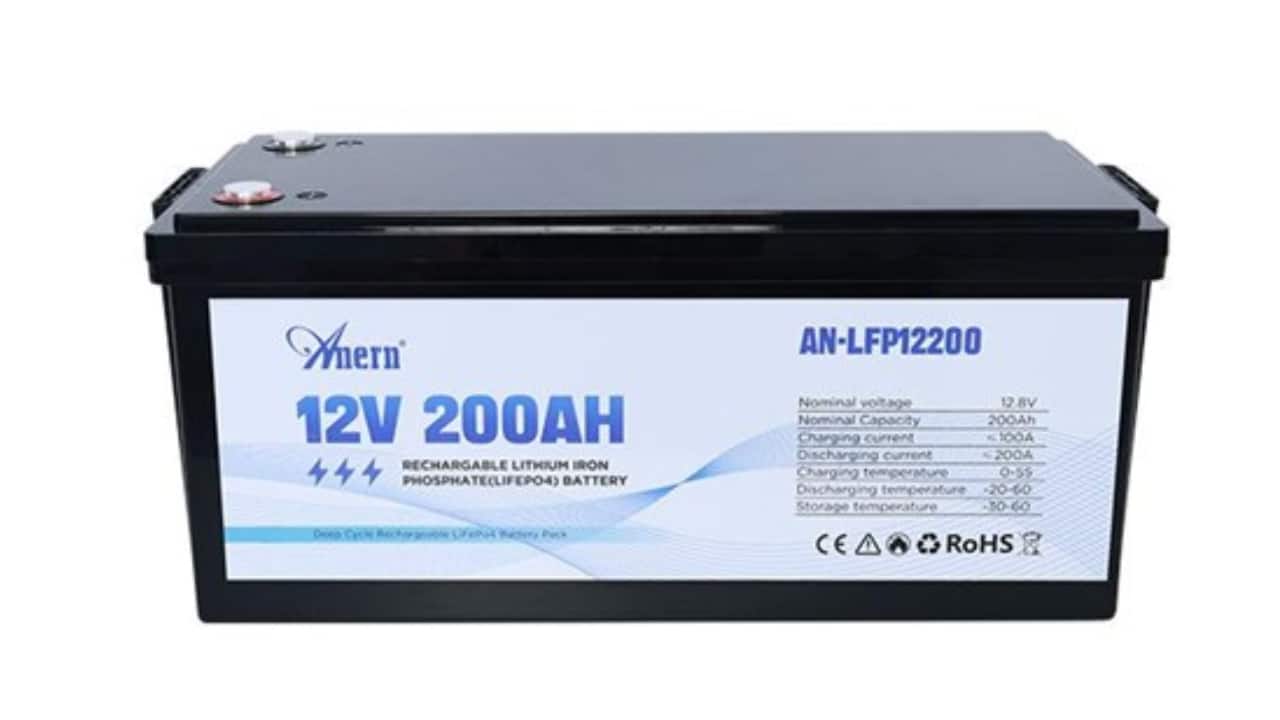
Implementing Your 24V Solar Storage Solution
Step 1: Energy Needs Assessment
Begin by calculating your home's daily energy consumption through a detailed power audit. Track major appliances like HVAC systems, water heaters, and refrigerators that typically consume 60-70% of household electricity. For accurate sizing, monitor usage patterns across different seasons, as winter heating and summer cooling can dramatically impact requirements. A properly sized system should cover 1.2-1.5 times your daily usage to account for efficiency losses and future expansion.
Step 2: Battery Selection Criteria
Focus on batteries rated for at least 6,000 cycles at 80% depth of discharge to ensure long-term reliability. Verify temperature tolerance ratings match your climate zone - quality lithium batteries maintain 90% capacity between -4°F to 140°F. Confirm inverter compatibility by matching voltage requirements and ensuring communication protocols align with your chosen battery management system.
Step 3: Installation Best Practices
While lithium batteries don't require dedicated ventilation, maintain ambient temperatures between 59-77°F for optimal performance. Install batteries at least 6 inches from walls to allow proper heat dissipation. Follow manufacturer-specific wiring guidelines for 24V configurations, typically using 2/0 AWG cables for main power connections. Integrate advanced monitoring systems that track individual cell voltages and temperature in real-time, enabling early detection of potential issues and automated system optimization.
Maximizing Performance and Longevity
To achieve optimal performance from your 24V lithium battery system, maintain charging voltages between 28.4V and 29.2V during bulk charging, transitioning to float voltage of 27.6V for long-term storage. Implement a maximum discharge rate of 0.5C to preserve cell longevity, while keeping depth of discharge within 80% for daily cycling. Monitor ambient temperatures using smart sensors, maintaining the battery environment between 68-77°F through active cooling or heating as needed. Install temperature-controlled enclosures in extreme climates to prevent efficiency losses.
Schedule quarterly capacity tests using calibrated load banks to track battery health, documenting results in a maintenance log for warranty purposes. Keep firmware current by enabling automatic updates through your battery management system, ensuring optimal charging algorithms and safety protocols. Maintain detailed records of system performance metrics, including cycle counts, temperature variations, and any fault codes, which prove invaluable for warranty claims and troubleshooting. Regular system health checks through your monitoring platform can identify potential issues before they impact performance, ensuring your investment delivers reliable power for years to come.
The Future of Home Energy Independence
The adoption of 24V lithium-ion batteries represents a transformative step forward in home energy storage technology. These systems deliver unmatched reliability with their 80-100% depth of discharge capability, superior safety through advanced LiFePO4 chemistry, and exceptional longevity spanning 10-15 years of consistent performance. The compelling economics of lithium batteries, despite higher initial costs, demonstrate clear advantages through eliminated maintenance, reduced replacement cycles, and superior efficiency that generates real savings for homeowners.
As lithium battery technology continues to advance, we can expect even greater energy density improvements and cost reductions, making these systems increasingly accessible to homeowners. The future of residential energy independence lies in these sophisticated storage solutions, which provide the foundation for truly sustainable home power systems. For homeowners seeking reliable, safe, and cost-effective energy storage, 24V lithium-ion batteries represent not just an investment in current energy needs, but a gateway to long-term energy independence and environmental responsibility. Take the first step toward energy autonomy by consulting with certified installers who can design a system tailored to your specific requirements.