Al-Aqsa Violence: Why East Jerusalem Is Witnessing Tension Every Ramadan Of Late
Clashes between Israeli forces and Palestinians were reported this year during Ramadan. In the year 2022, and a year earlier also tensions between the two groups were reported during the Islamic month
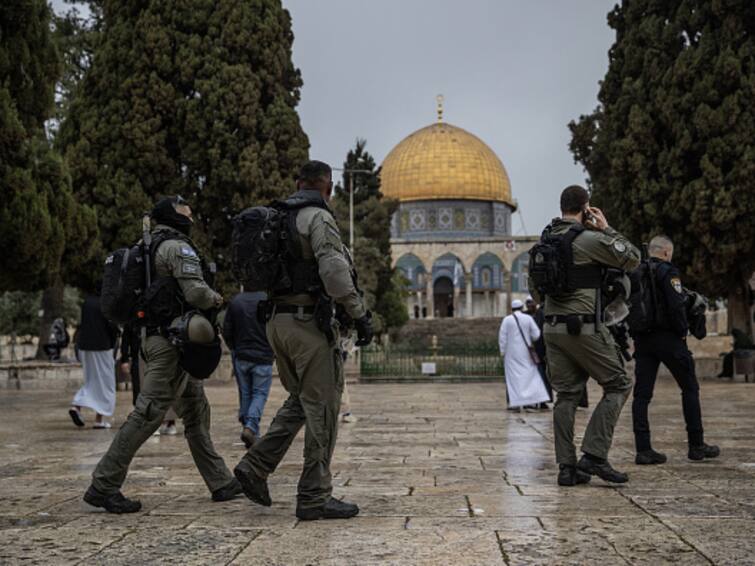
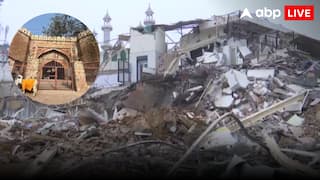
Jerusalem’s Al-Aqsa mosque once again became a flashpoint of violence between Israeli forces and Palestinians this year. On April 4 and 5, Israeli forces raided the mosque in east Jerusalem saying “masked agitators” had barricaded themselves and the worshippers inside. Nearly 350 people were arrested and removed in a police raid on April 4 and six persons were reported injured the ensuing night in the raids that triggered a cross-border exchange of fire in Gaza stoking fears of further violence.
The tension escalated at Al-Aqsa mosque — the third holiest site in Islam and considered holiest in Judaism — at a time when the Jewish week-long Passover and the Islamic month of Ramadan overlapped with each other.
Israeli forces raiding the mosque, located on a hilltop complex known as al-Haram al-Sharif by Muslims and the Temple of Mount by Jews, during the month of Ramadan has been reported in past years as well.
Past Ramadans When Al-Aqsa Mosque Became Site Of Violence
In 2022, after weeks of violence, unrest befell on the mosque complex on the final Friday of Ramadan as Israeli police forces said they raided the mosque after “rioters” hurled stones. As per the Palestinian Red Crescent, 42 Palestinians were injured in the raids while nearly 300 were wounded during a period two weeks before the unrest.
A year earlier, in May, worshippers during Ramadan were met with tear gas, rubber-coated steel bullets, and stun grenades when Israeli forces stormed the compound leaving over 200 Palestinians injured.
At Al-Aqsa, Do Ramadan And Clashes Have Any Connection?
Moinuddin Ahmad, a researcher on Israeli studies, said while there is no established connection between the two events and that “it can happen any time of the year”, tensions between Israeli forces — who guard the Al-Aqsa mosque — and Palestinians escalate whenever the Muslim worshipers gather at the compound, including on Fridays.
Whenever Palestinians gather at Al-Aqsa, sentiments get higher and protests take place, he said.
"During the protest, sloganeering takes place and because the compound is part of occupied Palestinian territory, Israeli forces fear that this may spread to other parts of the city, and in a bid to stop it, they use force and violence,” Ahmad said, speaking to ABP Live.
He also said the protestors are mainly unarmed common people of Palestine and the demonstrations are not backed by any organised groups.
The anti-government protest in Israel was also listed as one of the contributors to the recent escalations.
“The Israeli government wants to divert the attention from those ‘very legitimate’ protests,” Ahmad said, adding general elections in Israel are also a major factor in the current and previous rounds of violence.
Ahmad spoke a relatively new phenomenon where Israeli forces, who don’t allow non-Muslims to enter the mosque compound, have a “bias in stopping Jews from coming to the mosque”.
On Judaish festivals, the practising orthodox Jews enter the mosque compound, which they believe to be of Jewish heritage, and “do their kind of sloganeering”, thus instigating the Muslim worshippers. This has often resulted in clashes between the two groups. However, he added, when security forces come into action, it becomes about violence between Israeli forces and unarmed Palestinians.
Will There Be A Third Intifada?
Referring to recent rounds of violence, several reports and commentators have suggested that the third intifada, the Arabic word for the uprising, has begun or is on the horizon in Palestine.
But the Palestinian side has "not used the word for recent protests and have not named it as a third intifada”, said Ahmad, adding: “They say the uprising started in 1987 and since then it is intifada.”
The first intifada took place in 1987 when Palestinians wanted to push for statehood, while the second one happened in 2001 when outbreaks of violence occurred after the then-Israeli Opposition leader Ariel Sheron entered Al-Aqsa mosque.
Related Video
Breaking News: Maharashtra Politics Shifts: Congress Suspensions Boost BJP Ahead of Local Body Polls

Top Headlines