SC Refuses To Entertain PIL Seeking Common Dress Code For Students In Educational Institutes
The PIL argued that a dress code should be implemented to secure equality and promote fraternity and national integration. It sought a direction under the Right to Education Act.
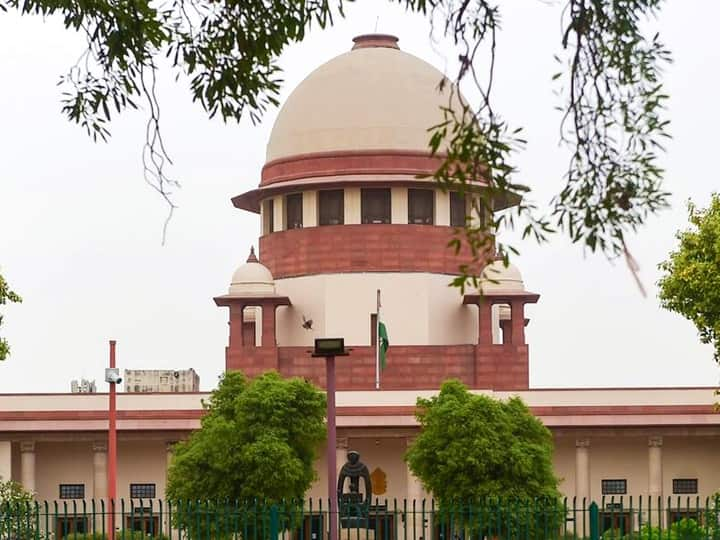
New Delhi: The Supreme Court on Friday refused to entertain a PIL seeking direction to the Centre, states, and union territories to implement a common dress code for staffers and students in registered educational institutions.
A bench of Justices Hemant Gupta and Sudhanshu Dhulia said this is not a matter which should come to the court for adjudication.
The PIL argued that a dress code should be implemented to secure equality and promote fraternity and national integration. Senior advocate Gaurav Bhatia, appearing for PIL petitioner Nikhil Upadhyay, said this is a constitutional issue and sought a direction under the Right to Education Act.
ALSO READ | Students Who Returned From Ukraine Can't Be Accommodated In Indian Universities: Centre To SC
Sensing the bench's disinclination to entertain the PIL, the counsel withdrew it.
The plea had been filed in the backdrop of the Karnataka 'hijab' row.
The same bench, headed by Justice Gupta, is hearing arguments on a batch of pleas challenging the Karnataka High Court verdict refusing to lift the ban on hijab in educational institutions in the state.
The PIL, which was filed through lawyers Ashwini Upadhyay and Ashwani Dubey, had sought a direction to the Centre to set up a judicial commission or an expert panel to suggest steps for inculcating values of “social and economic justice, socialism secularism and democracy and to promote fraternity dignity unity and national integration among the students”.
“Alternatively, being custodian of the Constitution and protector of fundamental rights, direct the Law Commission of India to prepare a report suggesting steps to secure social equality and to promote fraternity dignity unity and national integration within three months,” it said.
Educational institutions are secular public places and are meant to impart knowledge and wisdom employment, good health and contribute to nation building, not to follow essential and non-essential religious practices, it said.
“It is very essential to introduce a Common Dress Code in all schools-colleges to preserve the secular character of educational institutions, otherwise tomorrow Naga Sadhus may take admission in colleges and attend the class without clothes citing essential religious practice,” the PIL argued.
Top Headlines