Monkeypox Update: Health Ministry Shares Dos And Don'ts List Amid Virus Spread — Check Guidelines
Monkeypox is a viral zoonotic disease with symptoms similar to smallpox but is considered less severe.

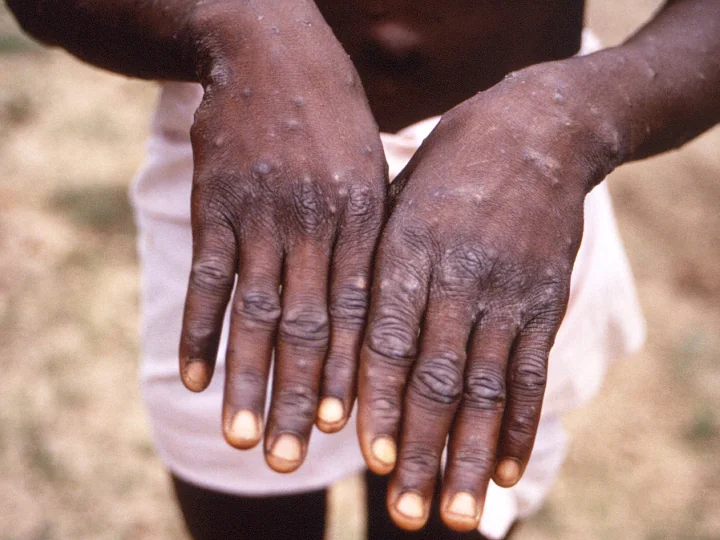
New Delhi: Looking at the increasing number of Monkeypox cases in India, the Ministry of Health and Family Welfare (MoHFW) Wednesday, shared guidelines on how to manage and prevent the viral infection. Monkeypox is a viral zoonotic disease with symptoms similar to smallpox but is considered less severe.
Eight cases of monkeypox have been reported in the country so far.
According to the guidelines, a person who has caught Monkeypox should be in isolation. In case the isolation is at home, the room must have proper ventilation. A patient should closely monitor symptoms such as pain in the eye or blurring of vision, altered consciousness or seizure, shortness of breath, chest pain or difficulty in breathing etc.
The MoHFW also states not to stigmatise people who are infected with Monkeypox.
Protect yourself from #Monkeypox. Know what you should and should not do to avoid contracting the disease.
— Ministry of Health (@MoHFW_INDIA) August 3, 2022
For more information, visit https://t.co/4uKjkYncqT pic.twitter.com/Zz9tYec9JR
ALSO READ: African Swine Fever Spreads In Parts Of Kerala: Symptoms, Transmission — All You Need To Know
Preventive Measures:
- Isolate infected patients from others. Healthy household members should limit contact with the patient.
- Use masks and gloves when caring for patients.
- Contaminated linens and clothes should be washed separately from those of non-infected people with warm water and detergent. Similarly, dishes and other eating utensils should not be shared and washed with warm water and dish soap.
- Wash your hands with soap and water or use an alcohol-based hand sanitiser, after contact with infected animals or humans.
- Use appropriate personal protective equipment (PPE) when caring for patients.
- Patients should wear a surgical mask as should other family members.
- Contain and dispose of contaminated waste (such as dressings and bandages) in biomedical waste disposable bags. Do not dispose of waste in landfills or dumps.
- Pets and domestic animals should be excluded from the patient’s environment.
- Contaminated surfaces should be cleaned and disinfected with standard disinfectant.
Management Measures:
- Skin lesions should be covered to the best extent possible (e.g. long sleeves, long pants) to minimize the risk of contact with others.
- The patient should wear a triple-layered mask
- Isolation should continue until all lesions have resolved and scabs have completely fallen off
- Eat a healthy diet and stay rehydrated. The MoHFW also encourages ORS or oral fluids to avoid dehydration.
- Do not touch or scratch the lesions. cover with light dressing if extensive lesions are present.
- Warm saline gargles/ oral topical anti-inflammatory gel to treat oral ulcers.
Top Headlines