





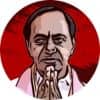
Telangana Chief Minister and BRS president K Chandrashekar Rao is contesting from two assembly seats Kamareddy and Gajwel. BJP's Venkata Ramana Reddy and Congress's Revanth Reddy are in the fray against KCR from Kamareddy seat. From Gajwel seat, BJP has fielded Eatala Rajender against KCR. KCR has been maintaining his dominance on the Gajwel seat since the formation of Telangana state in 2014.

List of constituencies in telangana
More Election News

Opinion: BJP’s Strategic Resurgence & Congress’s Struggles — India’s Political Landscape Post 2024 Lok Sabha Election

Fact Check: 2020 Image Of CEC Rajiv Kumar With FM Nirmala Sitharaman Shared As Recent

Opinion: SBI Research Report On Women Voter Turnout Shows A Trend, But It's Too Early To Jump To Conclusions

Decline Of Naveen Patnaik To Resurgence Of Naidu: 6 Stories That Shaped India's Regional Politics In 2024

Elections To Vaccines, Policy To Climate: Looking Back At 2024 Misinformation Landscape

Did AI Misinformation Impact Elections In 2024? A Look At US, Europe, UK, India Polls

Opinion: 2024 Was A Rollercoaster Ride For Congress — From Lok Sabha Highs to Haryana-Maharashtra Lows

Opinion: Can Mamata Lead I.N.D.I.A Bloc? A SWOT Analysis — Better Strike Rate Against BJP, But It’s Not All Rosy

Opinion: Haryana To Maharashtra, The Evolving RSS-BJP Dynamic After Lok Sabha 2024 Hiccup

-

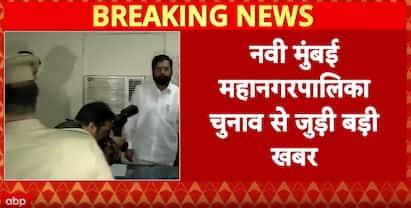
Navi Mumbai Civic Polls: Shiv Sena and BJP to Contest Separately, No Alliance Announced
-
BMC Election 2026: BJP-Shiv Sena Shinde Finalise Seat-Sharing for BMC Polls, Agreement on 207 Seats
-
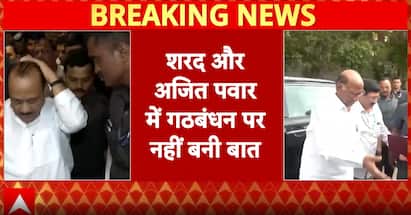
Maharashtra Local Polls: Sharad Pawar-Ajit Pawar Alliance Talks Collapse Ahead of Pune Municipal Corporation Elections
-
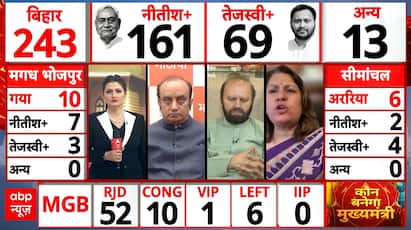
Breaking: Nitish Kumar Races Ahead as JDU Emerges Largest Party in Bihar Trends
-
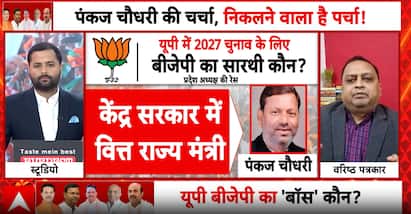
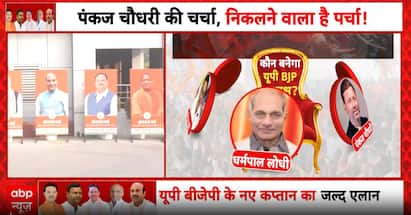
UP BJP President Election: Pankaj Chaudhary Faces Challenges in Kurmi Vote Consolidation
-
UP BJP President Election: Pankaj Chaudhary Poised to Become New State Chief

-
What is the role of the Election Commission?
The Election Commission of India (ECI), an autonomous constitutional authority established in 1950, is the poll watchdog in the country and is responsible for conducting elections in states, Parliament and the offices of the President and Vice-President. The EC also oversees adherence of political parties to the model code of conduct.
-
What is Article 324?
Article 324 in the Constitution specifies that the superintendence, direction and control of elections and preparation of electoral rolls shall be entrusted to the Election Commission.
-
Why is January 25 celebrated as Voters' Day?
January 25 has been celebrated as National Voters' Day since 2011 to mark the foundation of the Election Commission of India, which was formed on January 25, 1950. It is celebrated in a bid to encourage the youth to participate in the electoral process.
-
What happened in India January 25, 1950?
The Election Commission was established on January 25, 1950. Until 1989, it had only one member - the chief election commissioner.
-
Who is responsible for conducting elections in India?
The Election Commission is responsible for conducting elections in a "free and fair manner" to the state legislatures and Parliament. Elections in panchayats and municipalities are conducted by state election commissions.
-
What is the election process in India?
The election process is a lengthy affair in India. It starts with the Election Commission announcing the schedule for the polls, including dates for filing of nominations by candidates, withdrawal, scrutiny of nomination papers and counting date. The Model Code of Conduct, which is a set of guidelines to be abided by parties and candidates, comes into force from the day the poll schedule is announced.
-
How are MLAs elected?
Members of the Legislative Assembly are representatives of the people of the states as they are directly elected by citizens above 18 years of age. After the polls, the party with the maximum number of MLAs stakes claimed to form the government.
-
How many days before the election does code of conduct come into force?
The Model Code of Conduct comes into force as soon as the election dates are announced by the Election Commission and remains in place until the election process is completed.
-
What is the code of conduct?
The Model Code of Conduct, which was first introduced in 1960, is a set of guidelines on manifestos, processions and general conduct that have to be adhered to by political parties and their candidates in the run-up to elections.
-
Who had the right to vote before India's independence?
Between 1919 and 1929, all British provinces, as well as most of the princely states, gave women the right to vote and, in some cases, allowed them to contest local elections.
-
Who was the first to vote in India?
Shyam Saran Negi, a retired school teacher from Kalpa, Himachal Pradesh, was the first to vote in the first general election of independent India in 1951.
-
When were India's first Lok Sabha elections held?
The first general elections were held in 1951-1952, second in 1957, third in 1962, the fourth in 1967, fifth in 1971, sixth in 1977, seventh in 1980, eighth in 1984-85, ninth in 1989, tenth in 1991, eleventh in 1996, twelfth in 1998, thirteenth in 1999, fourteenth in 2004, fifteenth in 2009, sixteenth in 2014 and seventeenth in 2019. The 2024 polls will be the 18th Lok Sabha election.
