5 Tips to Protect Your Eyes From Air Pollution And Smog
Eye disorders are frequently caused by air pollution. As pollution levels grow, more people may experience eye irritation, resulting in redness, watery eyes, and a burning feeling.
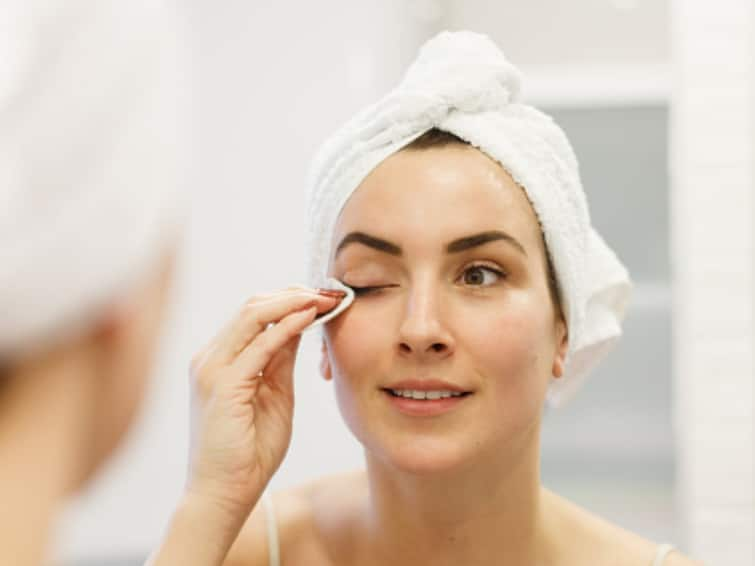
New Delhi: Pollution and its effects on health are a significant concern in modern times. It affects our overall health and also has severe effects on our eyes and lungs as well. A multitude of issues, such as eye discomfort, asthma, breathing difficulties, lung damage, etc., can also be brought on by smog and air pollution. Physical and medical issues are being increasingly brought on by a decline in the air quality index (AQI) from "poor" to "severe."
As pollution levels grow, more people may experience eye irritation, resulting in redness, watery eyes, and a burning feeling. If you wish to shield your eyes against a variety of diseases, proper eye care is a requirement. To make sure that your eyes receive the proper care, here are 5 tips that you can follow to protect your eyes from damage.
1. Wash your eyes properly:
Inflammation and burning are brought on by high CO and NO2 concentrations. To avoid infection, often rinse your eyes with cold water or use only the eye drops that are prescribed. It is also important to routinely wash your hands while you're out and about and refrain from touching your eyes. Our hands touch plenty of things, and as a result, they get dirty and pick up bacteria, and other invisible debris.
2. Avoid rubbing your eyes:
Even if your eyes may itch and feel like they are burning due to air pollution; avoid rubbing them. Rubbing the eye can make it feel as though it is burning and might make the discomfort worse. Furthermore, rubbing your eyes with bare hands might infect them with bacteria.
3. Stay Hydrated:
Staying hydrated and drinking enough water promotes the production of tears. It's crucial to stay hydrated because air pollution and smog make dry eye irritation more likely. It's recommended to consume 8 to 10 glasses of water per day.
4. Eat the right kind of food:
Consume more omega-3 fatty acids. The best sources of omega-3 fatty acids include fish, leafy vegetables, carrots, walnuts, berries, spinach, almonds, and walnut products.
5. Use Protective glasses:
When feasible, spend time indoors, especially in the early morning hours and on days with particularly high air pollution levels. It's better to use eyeglasses instead of contact lenses. Even if you are using contact lenses, make sure the lenses are spotless and scratch-free. When outside, put on protective eyewear or sunglasses to protect your eyes from harm.
Top Headlines