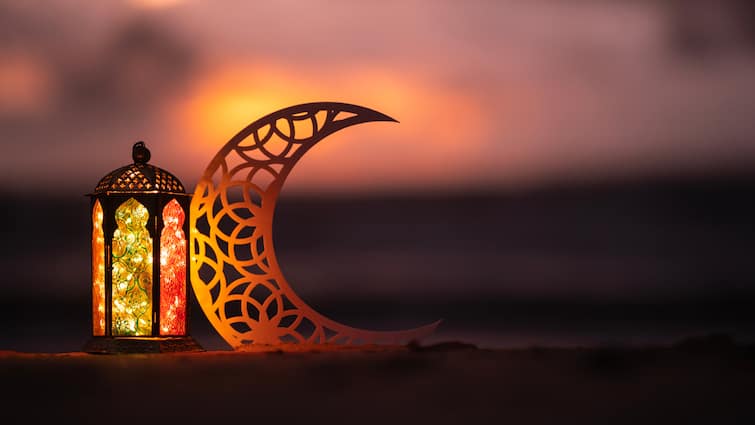
Ramadan 2025: Ramadan is considered the holiest month in Islam, during which Muslims worldwide observe fasting, engage in prayers, and participate in charitable acts. In India, the first fast of Ramadan was observed on March 2.
ALSO READ: Eighth Day Of Ramadan – Check The Iftar Timings For Delhi, Mumbai, Lucknow, And Other Cities
The Origin And Importance Of Ramadan:
The tradition of Ramadan began in the second Hijri year (624 AD) and has been followed ever since. Fasting (Roza) is one of the Five Pillars of Islam, which form the foundation of the faith. These pillars include:
- Tawheed: Belief in the oneness of Allah and following the path shown by the Prophet.
- Salah (Namaz): Performing five daily prayers.
- Zakat: Giving charity to the needy.
- Sawm (Roza): Observing fasting throughout Ramadan.
- Hajj: Pilgrimage to Mecca for those who are financially and physically capable.
During Ramadan, Muslims fast from dawn to sunset, abstaining from food, water, and other physical needs. However, fasting is not just about refraining from eating and drinking—it is also a practice of self-discipline, spiritual purification, and devotion to Allah.
The Daily Routine Of Fasting:
- Suhoor (Sehri): The pre-dawn meal marks the beginning of the fast.
- Iftar: The fast is broken at sunset with a meal, often starting with dates and water.
Throughout the day, Muslims engage in prayers, continue their daily activities, and seek spiritual growth.
Things To Avoid During Ramadan:
Fasting is not limited to abstaining from food and drink; it also requires individuals to maintain good conduct. Actions such as hurting others through words, engaging in harmful activities, or indulging in inappropriate behavior are prohibited. Additionally, physical intimacy during fasting hours is forbidden, and those who engage in it at night must purify themselves before Suhoor.
The Night of Power: Laylat al-QadrOne of the most sacred nights in Ramadan is Laylat al-Qadr (Shab-e-Qadr), known as "the Night of Power," which is believed to be "better than a thousand nights." It is on this night that the first revelation of the Holy Quran was sent to Prophet Muhammad (PBUH). Good deeds performed during this night are considered to bring multiplied blessings and rewards.
Special Prayers: TaraweehDuring Ramadan, Muslims perform Taraweeh, an additional prayer after the Isha prayer. This special prayer consists of 20 units (Rakats) and includes the recitation of the Quran, completing all 30 chapters by the end of the month.
Ramadan Observances In India:
Across India, including Uttarakhand, Dehradun, Nainital, Haridwar, and Udham Singh Nagar, the holy month is being observed with great devotion. Special arrangements for Iftar are being made in mosques and community centers, while Muslims are actively participating in fasting, prayers, and Taraweeh.
Why Ramadan Is Special:
Ramadan is more than just a month of fasting — it is a time for spiritual growth, self-discipline, compassion, and generosity. It encourages Muslims to strengthen their faith, develop empathy for the less fortunate, and engage in acts of kindness.
The month concludes with the celebration of Eid-ul-Fitr, a joyous festival that marks the end of Ramadan. On this day, Muslims gather for special prayers, exchange greetings, and offer charity (Fitrah) to help the underprivileged, emphasizing the values of generosity and unity.
[Disclaimer: The content of this article is based solely on beliefs, and should be taken as general guidance. Individual experiences may vary. ABPLive.com does not assert the accuracy or validity of any claims or information presented. It is strongly recommended to consult a qualified expert before considering or implementing any information or belief discussed herein.]