India is home to a treasure trove of UNESCO World Heritage Sites, many of which are famous, like the Taj Mahal and Qutub Minar. But beyond the well-trodden paths lie lesser-known gems that offer rich history, breathtaking architecture, and unique landscapes. These sites reveal the diversity of India’s cultural and natural heritage and make for unforgettable travel experiences. From ancient temples in Karnataka to scenic plateaus in Maharashtra, each destination tells a story waiting to be explored.
ALSO READ: 5 Temples In India Where Ravan Is Still Worshipped
1. Champaner-Pavagadh Archaeological Park, Gujarat
Champaner-Pavagadh Archaeological Park is an exceptional site that blends natural beauty with historical significance. Nestled in Gujarat, this destination has been recognised by UNESCO. The park houses ruis dating back to the 8th century, including fortifications, palaces, mosques, and stepwells that reflect the cultural fusion of Hindu and Islamic architecture. The site is perched on Pavagadh Hill, offering panoramic views of the surrounding landscape. Visitors can explore the Uperkot Fort, Jama Masjid, and ancient water structures while soaking in the rich historical narrative. The park is also significant for religious pilgrims visiting the Kalika Mata Temple atop the hill, making it a harmonious blend of spirituality, history, and scenic beauty.
2. Capitol Complex Tourist Center, Chandigarh
Capitol Complex in Chandigarh, designed by iconic architect Le Corbusier, is a modernist marvel and UNESCO World Heritage Site. This site represents India’s post-independence vision of urban planning and architectural excellence. The complex includes the Secretariat, Legislative Assembly, and High Court, each showcasing minimalist design principles, geometric lines, and symbolic aesthetics. Capitol Complex in Chandigarh, designed by iconic architect Le Corbusier, is a modernist marvel and UNESCO World Heritage Site. This site represents India’s post-independence vision of urban planning and architectural excellence. The complex includes the Secretariat, Legislative Assembly, and High Court, each showcasing minimalist design principles, geometric lines, and symbolic aesthetics.
3. Pattadakal, Karnataka
Located on the banks of the Malaprabha River, Pattadakal is a remarkable temple complex reflecting early Chalukyan architecture. A UNESCO World Heritage Site, it features ten temples showcasing a blend of northern and southern Indian architectural styles. Intricately carved sculptures, grand stone halls, and ornate pillars highlight the craftsmanship of the 7th and 8th centuries. Pattadakal is not only a spiritual destination but also an artistic and historical hub, offering insights into the evolution of temple architecture in India.
4. Kaas Plateau, Maharashtra
Kaas Plateau, also known as the “Valley of Flowers of Maharashtra,” is a natural UNESCO World Heritage Site famed for its stunning biodiversity. The plateau blooms in vibrant colours during the monsoon season, with hundreds of endemic flowers carpeting the landscape. Kaas Plateau is home to rare plant species, medicinal herbs, and diverse insect life, making it a paradise for nature lovers and photographers. Declared a UNESCO site for its unique ecological importance, Kaas Plateau offers an immersive experience in natural beauty.
5. Halebidu, Karnataka
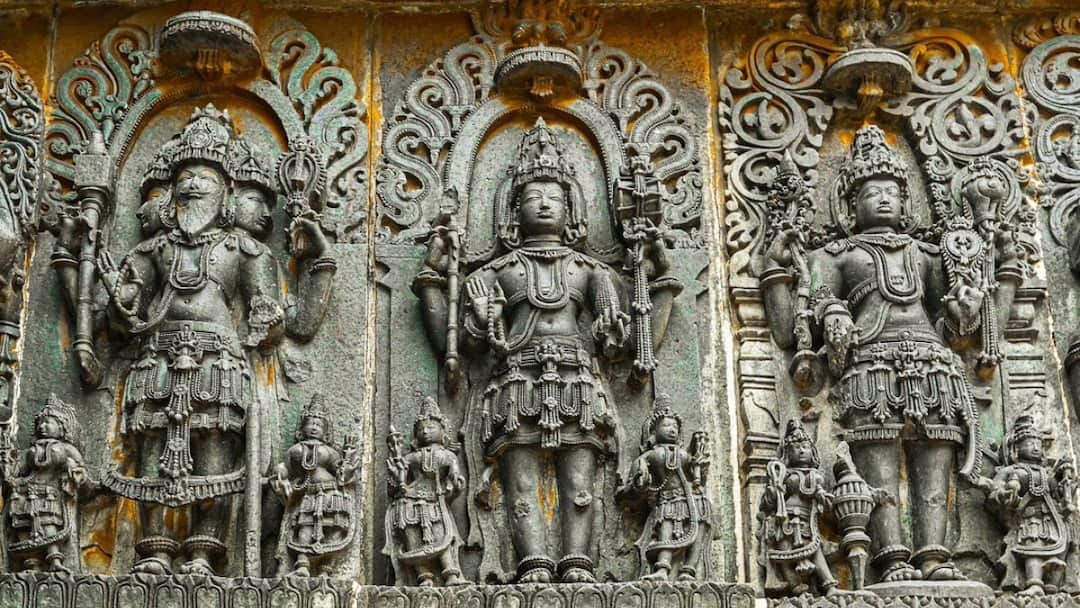
Halebidu, the erstwhile capital of the Hoysala Empire, boasts exquisite temple architecture that has earned UNESCO recognition. The Hoysaleswara and Kedareswara temples are masterpieces of intricate carvings, depicting epics, flora, and fauna in stone. Each wall and pillar tells a story of craftsmanship that flourished between the 12th and 13th centuries. Halebidu’s temples are celebrated for their star-shaped platforms, ornate ceilings, and sculptural precision. The site is not only an architectural wonder but also a significant historical destination for anyone fascinated by India’s temple heritage and medieval art forms.
6. Kakatiya Rudreshwara Temple, Telangana
Also known as the Ramappa Temple, this UNESCO World Heritage Site in Telangana is a stunning example of Kakatiya-era craftsmanship. Built in the 13th century, the temple is renowned for its floating bricks, intricate carvings, and beautifully carved pillars. Dedicated to Lord Shiv, the temple also features detailed depictions of dancers, musicians, and divine scenes. The temple offers both spiritual and artistic inspiration to travellers and historians. Visitors can explore the vast courtyard, marvel at the stone sculptures, and learn about innovative construction techniques used to withstand earthquakes.
7. Bidar Fort, Karnataka
Bidar Fort is perched atop the Deccan plateau. It reflects the architectural ingenuity of the Bahmani Sultanate. This UNESCO-recognised fort is spread across 5 kilometers and includes majestic gateways, bastions, and royal palaces. Visitors can wander through the Rangin Mahal, witness Persian-influenced tiles, and explore mosques and water reservoirs. The fort’s strategic location and intricate design tell stories of historical conflicts, cultural exchanges, and regional power dynamics.
8. The Archaeological Site Of Nalanda Mahavihara, Bihar
Nalanda Mahavihara in Bihar is one of India’s most significant ancient educational institutions. This UNESCO World Heritage Site was a thriving center of learning from the 5th to 12th centuries and attracted scholars from across Asia. The ruins include monasteries, stupas, and lecture halls, reflecting Buddhist architecture and ancient academic culture. Nalanda’s legacy as a global knowledge hub underscores India’s contribution to education, philosophy, and cross-cultural exchange.
9. Khangchendzonga National Park, Sikkim
Khangchendzonga National Park, in Sikkim, is a pristine natural UNESCO World Heritage Site dominated by the towering Mount Kangchenjunga. This park is rich in biodiversity, featuring rare flora and fauna, glacial lakes, and dense forests. Khangchendzonga holds cultural significance as well, with local communities practicing traditions intertwined with the natural environment. This national park os recognised for both ecological and cultural values.