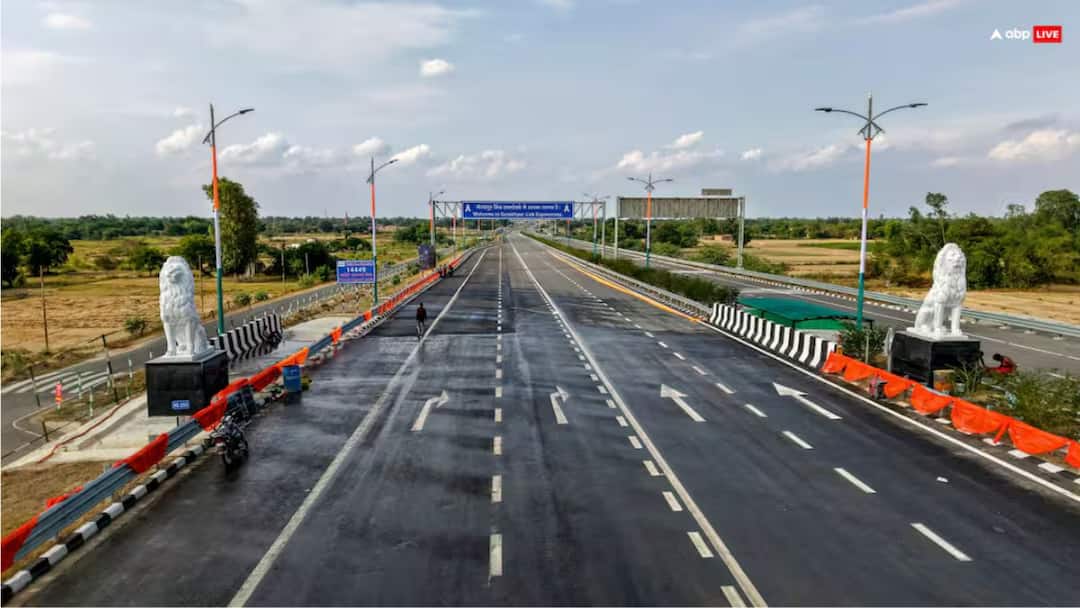
There is good news for travellers between Delhi and Dehradun as the trial run on the Delhi-Saharanpur-Dehradun Expressway has officially begun. The 210-kilometre project, whose foundation stone was laid by Prime Minister Narendra Modi on December 4, 2021, has now been completed and has been opened for vehicle movement on a trial basis from Sunday. Barricades near Geeta Colony were removed ahead of the opening. Once the trial run is concluded, the expressway will be fully opened for public use, significantly reducing travel time between Delhi and Dehradun.
With the launch of the expressway, the travel time between Delhi and Dehradun will reduce drastically. Where it currently takes around six hours, the same journey will now take only two and a half hours.
Relief From Traffic Jams
Officials said the expressway will ease traffic pressure in the National Capital Territory (NCT), especially Khajuri Khas and surrounding areas. It will also reduce load on the Delhi-Meerut Expressway and other major routes. Once fully operational, the highway is expected to cut travel time by half, ease long traffic snarls and boost tourist movement to and from Uttarakhand.
Built At Cost Of Rs 11,800 Crore
The high-speed expressway has been built at a cost of Rs 11,800 crore. Starting near Akshardham Metro Station in Delhi, where it connects to the Delhi-Meerut Expressway, it passes through Baghpat, Baraut, Muzaffarnagar, Shamli and Saharanpur before reaching Dehradun. From Geeta Colony, the expressway begins as an elevated corridor, allowing vehicles to bypass traffic and avoid jams.
With a maximum speed limit of 100 kmph, the corridor brings down the current travel time of 6.5 hours to 2.5 hours. The project also includes a dedicated route to Haridwar that will link with the Char Dham highway, improving access to hill stations and pilgrimage sites across Uttarakhand and western Uttar Pradesh.
Asia’s Longest Elevated Wildlife Corridor
To ensure environmental and wildlife protection, the project includes Asia’s longest 12-kilometre elevated corridor inside Rajaji National Park, allowing animals to move safely underneath without risk from high-speed traffic.
For safe movement of monkeys, special “monkey ladders” have been created by connecting tree canopies. Protective fencing has been installed to prevent wild animals from entering the main carriageway, reducing collision risks. Yellow non-invasive lights have been used to avoid attracting insects, and sound barriers have been placed along the edges to reduce noise pollution.
This ambitious project is set to revolutionise connectivity across North India, while also boosting tourism, pilgrimage routes, and economic growth-without compromising on environmental protection.