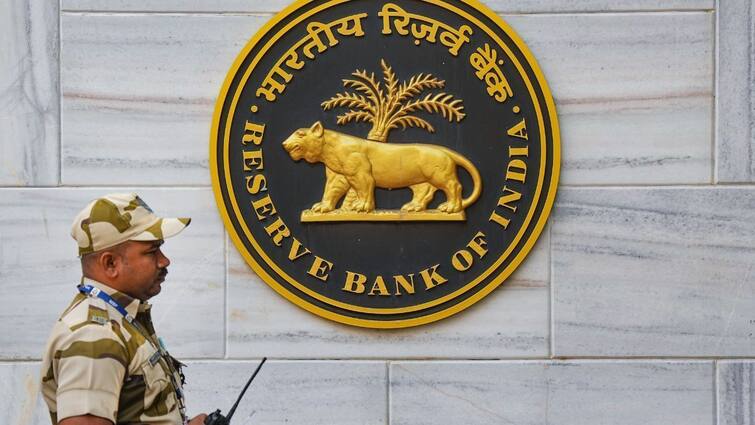
Finance Minister Nirmala Sitharaman should prioritise capital expenditure and infrastructure spending in the Budget for the financial year 2025-26 to stimulate economic growth and ensure its sustainability, said Nagesh Kumar, a member of the RBI Monetary Policy Committee, on Sunday.
The renowned economist emphasised that continuing and expanding infrastructure investment would be crucial for establishing a more robust and sustainable economic growth trajectory for India.
"In the context of the slight economic slowdown that we observed in the second quarter, and overall, there is a need to boost growth and make it more robust, more sustainable. The finance minister would do well to continue this momentum (in Budget 2025-26), which she herself started two years ago, of putting great emphasis on capex, infrastructure spending and increasing it to very healthy levels," he said in an interview to PTI.
The Union Budget for 2025-26, to be presented by Sitharaman on February 1, comes at a time of global economic uncertainties and slowing domestic growth.
"Because after suffering from the COVID pandemic, the Indian economy suffered a lot, after that it showed a robust recovery, but this pent-up demand which drove the Indian economic growth for the past few years, is now coming to an end. And so then the Indian economy is back to the trajectory which was there in pre-COVID times, and it now needs to be given a little bit of a boost to public spending," he said.
In last year’s budget, Sitharaman allocated Rs 11.11 lakh crore for capital expenditure in 2024-25 and announced the introduction of viability gap funding to stimulate private investment in infrastructure.
India’s GDP growth for the second quarter (July-September) has fallen to a seven-quarter low of 5.4 per cent.
Regarding the weakening rupee, Kumar clarified that it is not merely the depreciation of the rupee but the strengthening of the dollar. He pointed out that various currencies are losing value against the dollar, driven by the U.S. economy’s strong performance and the expectation that the new administration under Donald Trump will implement measures to further strengthen the U.S. economy.
"So this weakness of the rupee is largely the strengthening of the dollar and which is also leading to the outflows of FII positions from India. So when there is too much demand for dollars, the rupee tends to depreciate," Kumar observed.
He said the fact that other currencies are also depreciating, one has to take a relative look.
"My feeling is that rupee is still in real terms a bit appreciated and overvalued," Kumar said, adding that maintaining the rupee at a more competitive exchange rate, one that is not overvalued, is beneficial for exports and India’s manufacturing sector.
The rupee is currently trading around 86.60 against the dollar, having reached an all-time closing low of 86.70 on January 13.
In response to a question about the resurgence of giveaways, or freebies, Kumar expressed concern, stating that it poses a challenge for long-term development.
"Because the resources which could have been used for development purposes, for building infrastructure, for closing the gaps in the infrastructure that exists in the lagging regions or different states are promised to be given as handouts. It is not a very healthy trend, and should be curbed, because people should be aware of where the money will come from," he said.
Stressing the importance of educating voters, Kumar stated that resources promised to them should not be viewed as freebies, as these so-called freebies ultimately cost the public in other ways, particularly in terms of development.
Also Read: Budget 2025: GST Expectations Across Sectors And How This Will Impact The Indian Economy