BREAKING: Benjamin Netanyahu Factor Clouds Ceasefire as Lebanon Strikes Continue
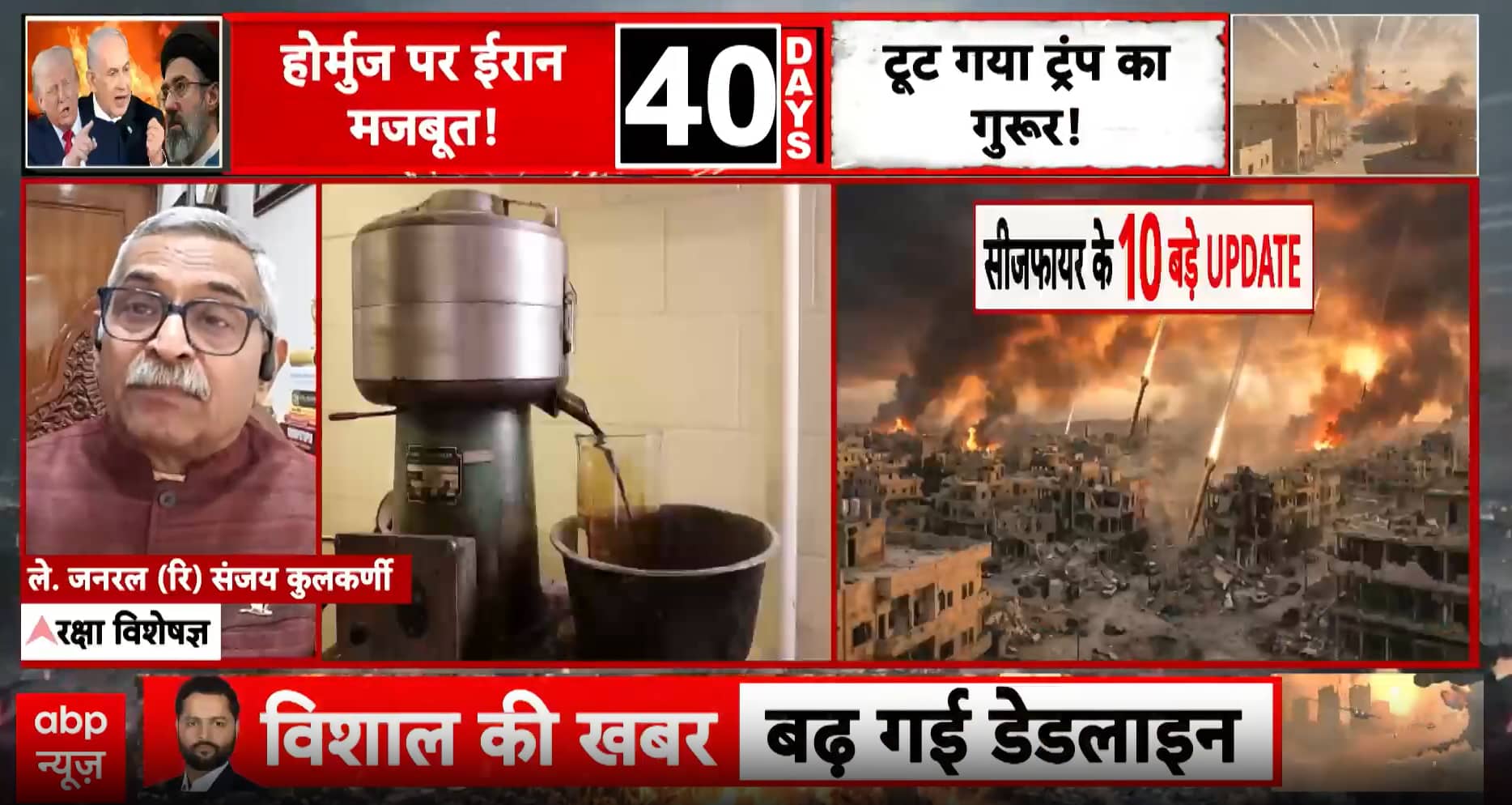
Even as a fragile ceasefire between United States, Iran, and Israel raises hopes of de-escalation, fresh Israeli strikes in Lebanon have cast serious doubts over its sustainability. The development highlights a “50-50 scenario,” with Israeli Prime Minister Benjamin Netanyahu yet to fully align with the ceasefire framework. Reports indicate continuous overnight bombardment in southern Lebanon, including Sidon, resulting in civilian casualties and injuries. While Israel maintains it is targeting Hezbollah positions, the rising death toll and civilian impact are intensifying concerns globally. Lebanon has emerged as one of the worst-affected regions in the conflict outside Iran, with over a thousand fatalities reported so far. At the center of geopolitical tensions lies the strategic Strait of Hormuz, where Iran is expected to impose transit fees on shipping routes as part of ceasefire conditions. This move could allow Iran to recover war losses but may challenge established international maritime norms. Analysts warn that such economic measures could shift the burden onto global trade, effectively making the international community bear indirect costs. Meanwhile, Gulf nations—heavily dependent on the Strait for oil exports and essential supplies—have reportedly pressured for stability, pushing all sides toward temporary peace.