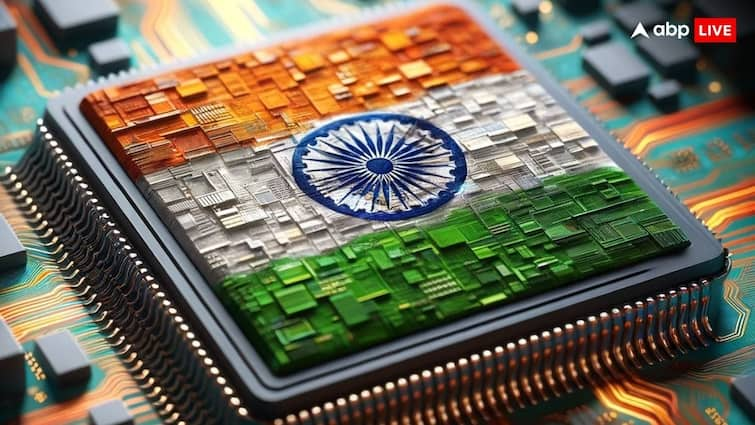
Independence Day 2025:Prime Minister Narendra Modi used his Independence Day address to signal a milestone in India’s tech ambitions. The country’s first domestically produced semiconductor chip is expected to roll out within this year. "Made-in-India semiconductor chips to hit market by the end of 2025," PM Modi said during his 12th consecutive Independence Day address to the nation from the ramparts of the Red Fort in New Delhi on Friday.
The announcement, first detailed by Union Electronics and IT Minister Ashwini Vaishnaw on August 11, points to a launch window between September and October 2025. “Very soon, we will see the first Made-in-India chip,” the minister said, underlining a development decades in the making.
Laying the Groundwork: Fabrication Units Across India
At the heart of the initiative is a growing network of semiconductor fabrication and assembly facilities. The flagship among them is the Dholera chip fabrication plant in Gujarat, a Tata Electronics project developed with Taiwan’s Powerchip Semiconductor Manufacturing Corporation (PSMC). Expected to become a major node in the country’s manufacturing landscape, the facility is part of a broader plan involving five to six semiconductor units currently under development nationwide.
These ventures, supported by a mix of public and private capital, are central to building a resilient semiconductor ecosystem within India’s borders.
From Classrooms to Chip Labs: Building Talent and Design Capability
Infrastructure alone will not drive success. India is also investing heavily in homegrown design and engineering talent. Students from the IIT network have already designed 20 semiconductor chipsets, with eight “taped out” and sent for fabrication at facilities such as the Semiconductor Laboratory in Mohali.
The Ministry of Electronics and IT is ramping up training programmes aimed at skilling thousands of engineers in chip design, fabrication, and testing. This talent pipeline is expected to play a pivotal role in sustaining India’s semiconductor ambitions.
OSAT Facilities to Strengthen Backend Manufacturing
The push extends beyond chip design and fabrication into backend processes through OSAT (Outsourced Semiconductor Assembly and Test) units. Kaynes Technology is on track to operationalise its OSAT plant in Sanand, Gujarat, by December 2025.
In Assam, Tata Electronics is establishing an assembly and test facility under the leadership of Intel veteran Tim McIntosh. Meanwhile, in Uttar Pradesh, an HCL–Foxconn joint venture has secured Cabinet approval for a new OSAT plant near Jewar.
A Strategic Move Towards Self-Reliance
The Semicon India programme, under which this rollout falls, is designed to reduce dependence on imported chips and position India as a credible player in the global semiconductor supply chain.
As PM Modi highlighted, the journey is not just about technology, it’s about reclaiming an opportunity “killed in the womb 50 years ago” and ensuring the nation has the tools to compete in a digital-first world.