By Vikrant Labde
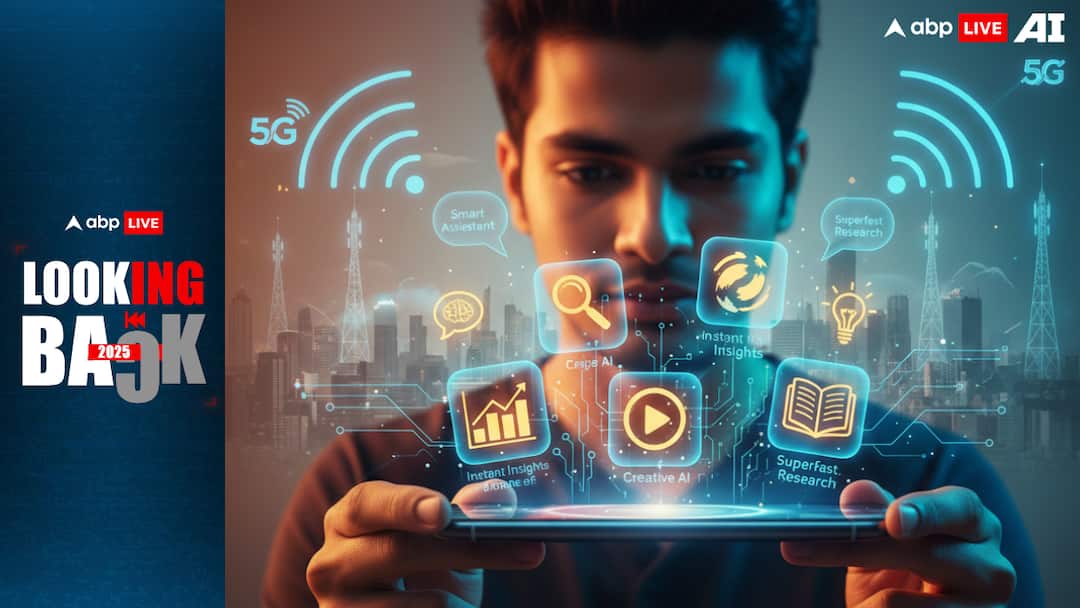
Remember when AI felt like something only tech companies talked about? That changed in 2025. This year, India's telecom giants started bundling premium AI tools with mobile plans the same way they once bundled caller tunes and data packs. Hundreds of millions of Indians now have access to AI tools that cost thousands of rupees just months ago.
The Numbers Tell The Story
In October, Reliance Jio partnered with Google to offer 18 months of Gemini Pro, valued at ₹35,100, free to users on 5G plans starting at ₹349. By November, over 500 million Jio users had access to tools that can write emails, analyse documents, generate images, and create videos.
Bharti Airtel followed with Perplexity, an AI research assistant, offering all 360 million customers a year of its Pro version worth ₹17,000. OpenAI launched ChatGPT Go at ₹399 per month, its cheapest plan anywhere in the world, then made it free for a year in November. Google responded with AI Plus at just ₹199 per month for new users.
To put this in perspective: a student preparing for exams, a small business owner drafting proposals, or a homemaker researching health information now has access to AI capabilities that Fortune 500 companies were paying premium prices for last year.
Why Are Companies Giving This Away?
Nothing is truly free, of course. For Jio and Airtel, these partnerships solve a real problem: when every telecom offers similar call rates and data speeds, what makes a customer choose one over another? Bundled AI becomes that differentiator. It also means customers use more data, stay longer, and are less likely to switch providers. The telecom's cost is minimal since distribution is just a toggle in their existing app.
For AI companies, the maths is more precarious. Every query a user runs costs real money in computing power. Perplexity, for instance, does not just run its own models; it pays for access to GPT, Claude, and Gemini underneath, making its margins razor thin. OpenAI reportedly spends billions annually on infrastructure. When these companies offer free access to 360 million or 500 million users, they are absorbing significant losses.
This is the classic venture capital playbook: lose money today to build habit and scale, then monetise later. The bet is that once people experience what these tools can do, some percentage will pay when the free period ends. Whether that conversion rate justifies the cash burn remains to be seen.
Who Are They Really Targeting?
The rollout strategies reveal careful targeting. Jio initially offered Gemini only to users between 18 and 25, the group most comfortable with new technology and most likely to spread the word. OpenAI created three price tiers (₹399, ₹1,999, and ₹19,900) to capture everyone from curious first timers to heavy users. Airtel went broad, recognising that a CA, a student, and a retiree might all find value in AI assistance.
There is also a data angle. Every question you ask an AI tells the company something about your needs, helping them build better products and more relevant services.
What Happens Next?
The free rides will not last forever. As promotional periods end through 2026 and 2027, users will face a choice: pay up or go back to basic versions. Companies that show real everyday value will keep more customers.
Expect AI to become more deeply woven into the apps you already use, built right into your telecom provider's main application rather than requiring separate apps. We will see packages designed for small businesses with features tailored for Indian work contexts. And as companies seek sustainable revenue, advertising-supported free tiers will appear, similar to how streaming services evolved.
The bigger shift is this: AI is quickly becoming as basic as having an internet connection. The workforce entering jobs in 2026 will have used these tools throughout their education. In 2025, AI became a marketing hook. By 2026, it will simply be something everyone expects.
(The author is Co-founder and CTO of Turinton)
Disclaimer: The opinions, beliefs, and views expressed by the various authors and forum participants on this website are personal and do not reflect the opinions, beliefs, and views of ABP Network Pvt. Ltd.