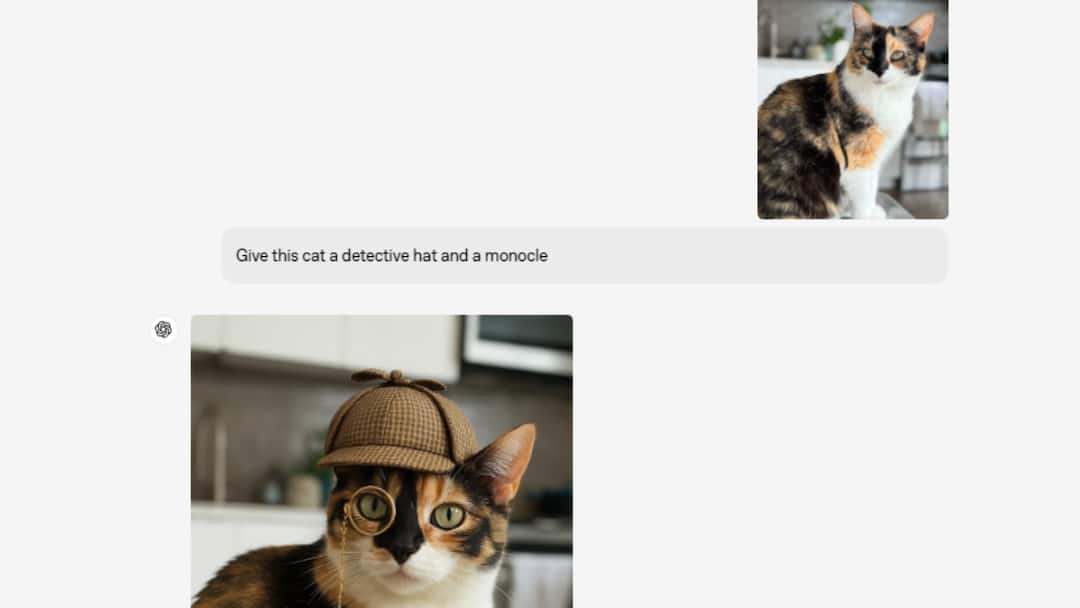
OpenAI’s much-anticipated image-generation feature within ChatGPT is facing a delay for free users. CEO Sam Altman revealed on Wednesday that the rollout has been postponed due to overwhelming demand. “Rollout to our free tier is unfortunately going to be delayed for a while,” Altman acknowledged, admitting that the tool has garnered more attention than anticipated.
A Feature Too Popular for Its Own Good?
The image-generation tool, powered by OpenAI’s GPT-4o model, was introduced just a day before Altman’s announcement, giving users the ability to create AI-generated images directly within ChatGPT. Almost instantly, social media was flooded with AI-crafted images, with a notable trend of users transforming photos into artistic renderings reminiscent of Studio Ghibli’s signature style. Even Altman himself joined in on the trend, sharing AI-generated images.
Currently, the feature remains accessible only to paid subscribers under ChatGPT’s Plus, Pro, and Team plans. While OpenAI had planned to extend the capability to free-tier users, the sudden surge in interest has disrupted those plans, leaving the timeline for a broader rollout uncertain.
Tech Challenges and Capacity Struggles
This isn’t the first time OpenAI has encountered hurdles in launching new products. The company has previously cited limited computing capacity as a reason for delaying or restricting access to new AI-powered features. A similar situation unfolded when OpenAI unveiled its video-generation tool, Sora, in December, only to halt signups shortly afterward due to demand exceeding its infrastructure capacity.
The company is already working on ambitious projects, including the planned $500 billion Stargate data center, which aims to expand computing resources and alleviate such bottlenecks in the future. However, for now, free-tier users will have to wait for their turn to experiment with AI-powered image generation.
What’s Next for Free Users?
Despite the delay, OpenAI still intends to offer the image-generation tool to free-tier users, albeit with certain limitations. Similar to its DALL-E 3 model, OpenAI is expected to introduce a daily usage cap for free users, allowing them to access the feature but within restricted limits. The company has yet to specify the exact quota, but it may adjust dynamically based on system demand.
The GPT-4o model itself boasts significant improvements over previous versions, particularly in image detail and text rendering. Unlike older diffusion-based techniques, GPT-4o uses an autoregressive approach, generating images sequentially from top to bottom and left to right. This method enhances accuracy, especially in rendering complex elements such as text within images, an area where AI models have traditionally struggled.
For now, OpenAI’s paid subscribers will continue to enjoy the exclusive benefits of AI-driven image creation while free users await further updates on when their access will finally arrive.