Leaked details about Apple's upcoming iPhone 17 Pro lineup have sparked excitement and debate within the tech community. Expected to launch in September 2025, the Pro models appear to be moving towards a significant design overhaul, setting them apart from their predecessors.
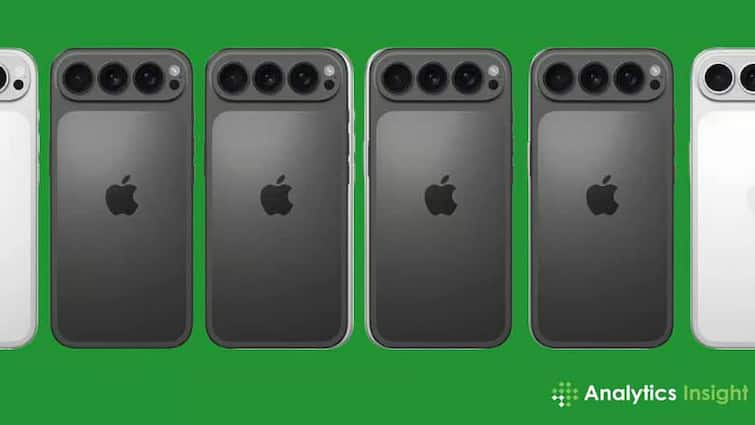
As reported by Analytics Insight, Apple is reworking the form factor, with leaks revealing a horizontal camera bar instead of the familiar square camera module. This redesign brings the Pro models in line with devices like Google’s Pixel series. Meanwhile, the standard iPhone 17 is expected to retain the more traditional square camera bump, aligning with its predecessor, the iPhone 16.
Adding to the intrigue, a potential iPhone 17 Air variant is rumoured to feature an ultra-thin design with a streamlined, single-camera strip. Apple’s adoption of a two-tone rear panel — aluminium for the upper half and glass for the lower half — suggests an effort to balance durability with wireless charging capabilities. While this could enhance strength, integrating the materials seamlessly remains a challenge.
Major Camera System Overhaul
Leaks indicate that Apple is making significant strides in camera technology with the iPhone 17 Pro Max. The latest reports suggest a triple-lens setup positioned on the left of the horizontal camera bar, complemented by a flash, microphone, and LiDAR sensor on the right. More notably, all three rear cameras could feature 48-megapixel sensors, a marked improvement over previous models.
Another major change appears to be in the front camera department, with a rumoured upgrade to a 24-megapixel sensor — double the resolution of current versions. This enhancement would likely result in sharper selfies and improved video call quality. The A19 Pro chipset is also expected to introduce advanced computational photography capabilities, further refining Apple’s imaging performance.
Material Choices and Build Adjustments
Following the titanium frame debut in the iPhone 15 Pro series, speculation suggests that Apple may revert to aluminium for the iPhone 17 Pro models. This shift could be motivated by cost efficiency or sustainability concerns, though it raises questions about whether it diminishes the premium feel associated with the Pro lineup.
The hybrid design, featuring an aluminium camera module integrated into a glass back, could be a strategic compromise aimed at enhancing durability. While this approach may reinforce the structure, it might also affect the aesthetic harmony of the device. Some industry experts believe that the change could make the Pro models lighter, addressing one of the main criticisms of the heavier Pro Max versions.
New Technological Features on the Horizon
Beyond design updates, Apple is rumoured to introduce several functional enhancements with the iPhone 17 Pro series. Reverse wireless charging at 7.5 watts may allow users to charge accessories like AirPods directly from the iPhone. Additionally, a vapour chamber cooling system — likely exclusive to the Pro models — could improve thermal management during intensive tasks like gaming or 8K video recording.
These innovations suggest that Apple is keen on refining both performance and user experience, aligning itself with competitors such as Samsung and Google, which have already introduced similar features in their flagship devices.
What This Means for Apple’s Strategy
Apple's move toward a bolder, more versatile design strategy indicates an effort to reclaim its position as an innovation leader in the highly competitive smartphone market. By embracing significant design shifts and incorporating high-end specifications, the company appears to be taking a more aggressive stance against rivals.
However, with bold changes come challenges. The new design could alienate long-time Apple users who prefer the brand’s traditional aesthetic. Additionally, striking the right balance between cost, performance, and desirability will be crucial for the iPhone 17 Pro’s success.
As anticipation builds toward the official launch, these leaks offer a tantalising glimpse into what could be one of Apple’s most daring iPhone releases to date. Whether these changes will redefine the iPhone experience or prove divisive remains to be seen.