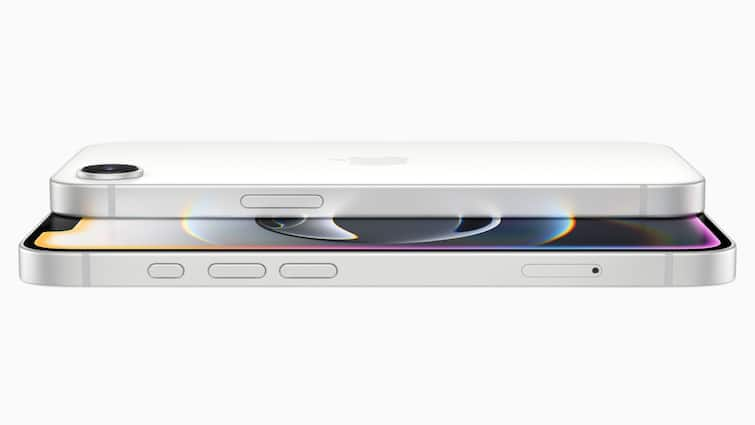
Apple performed strongly in India’s smartphone market during the second quarter of 2025, driven by demand for its flagship iPhone 16 series. However, its more affordable sibling, the iPhone 16e, struggled to gain momentum. According to the latest data from Canalys, now part of Omdia, Apple secured sixth position in the Indian smartphone rankings, with the iPhone 16 family accounting for over 55 per cent of its shipments during the quarter.
iPhone 16 Family Leads Apple’s Charge
Demand for the iPhone 16 series has been high among premium buyers across price tiers, helping Apple maintain its upward trajectory. The report also highlights continued contributions from older models like the iPhone 15 and iPhone 13, both of which are sustaining Apple’s market momentum in India.
While the iPhone 16 series is clearly striking a chord with users prioritising performance and long-term utility, it is the entry-level 16e that seems to be missing the mark.
iPhone 16e’s Lower Specs Draw Criticism
Marketed as a more accessible way into the Apple ecosystem, the iPhone 16e has faced pushback for its simplified hardware and limited integration of Apple Intelligence features.
Sanyam Chaurasia, principal analyst at Canalys, stated, “The iPhone 16e lost momentum post-launch, as consumers questioned the value of its single-camera design and largely unrealised Apple Intelligence features.” The stripped-down specifications, particularly the single rear camera, appear to be discouraging buyers who expect more from even Apple’s lower-cost offerings.
Apple Strengthens Local Strategy Amid Setback
Despite the iPhone 16e’s weak performance, Apple’s overall outlook in India remains strong. The company is expanding its local manufacturing base, opening more retail locations, and introducing longer financing plans. These efforts are helping Apple become more competitive in a market traditionally led by Android brands.
Still, the 16e’s underwhelming reception signals that Indian consumers want tangible value for their money, even at lower premium price points. The popularity of the iPhone 16 and 15 series suggests that users are willing to spend more when the features clearly justify the cost.