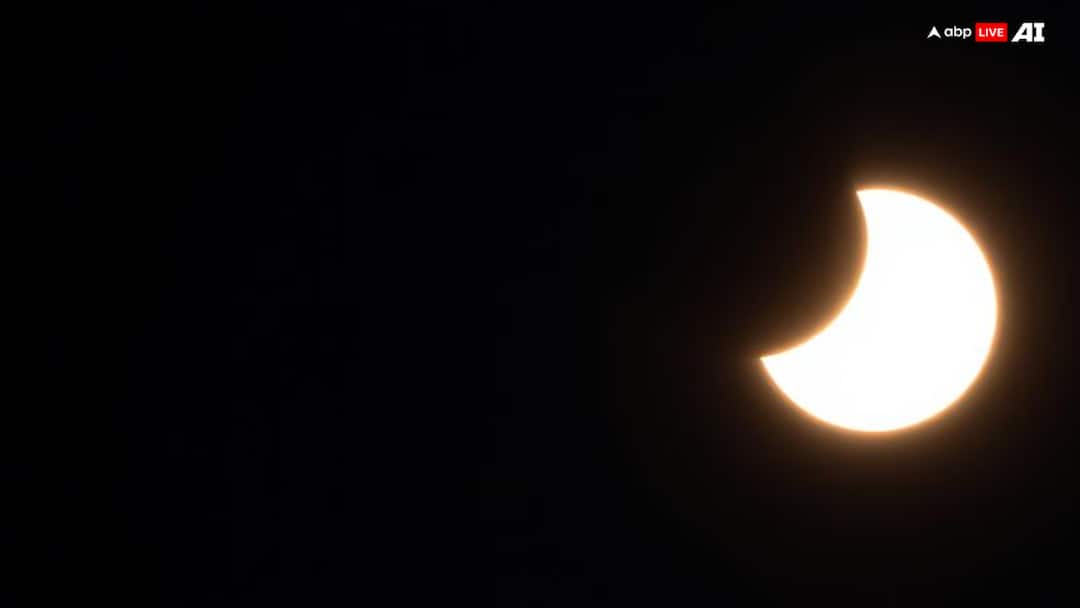
The first solar eclipse (Surya Grahan) of 2025 is just hours away. As anticipation builds worldwide, enthusiasts and astronomers alike are preparing to witness this celestial spectacle.
A Partial Solar Eclipse: What to Expect
This year’s first Surya Grahan (सूर्य ग्रहण) will be a partial one, meaning the Moon will cover only a portion of the Sun, creating a striking visual effect. While total eclipses tend to steal the spotlight, partial eclipses still offer a mesmerising experience for those fortunate enough to be in the right viewing areas.
Astrological Significance And Traditional Beliefs
In Vedic astrology, solar eclipses are often regarded as inauspicious. Many traditions advise against eating or drinking during the event, instead encouraging meditation and introspection as a means of harnessing positive energy during this time.
Will India Be Able To See The First Solar Eclipse Of 2025?
Although this astronomical event will be visible from multiple continents, including Asia, Africa, Europe, and parts of North and South America, India will miss out on the show due to its geographical position and the eclipse's alignment.
According to NASA, the eclipse will be visible across Europe, Northwestern Africa, Greenland, Iceland, the northeastern United States, and eastern Canada. However, since the Moon’s shadow does not pass over India, skywatchers there will need to rely on live streams and international coverage to experience the event.
Here's a live stream where you can catch the first solar eclipse of 2025.
Eclipse Timings Across the Globe
For those within the eclipse’s path, here’s a breakdown of key timings:
Indian Standard Time (IST): The solar eclipse will begin at 2:21 PM, peak at 4:17 PM, and end at 6:14 PM.Eastern Daylight Time (EDT - US): The solar eclipse will start at 4:50 AM, reach its peak at 6:47 AM, and end at 8:43 AM.Total Duration: The eclipse will last 3 hours and 53 minutes globally.
Even if you’re not in a prime viewing location, you can tune in to a live stream to catch a glimpse of the first solar eclipse of 2025.