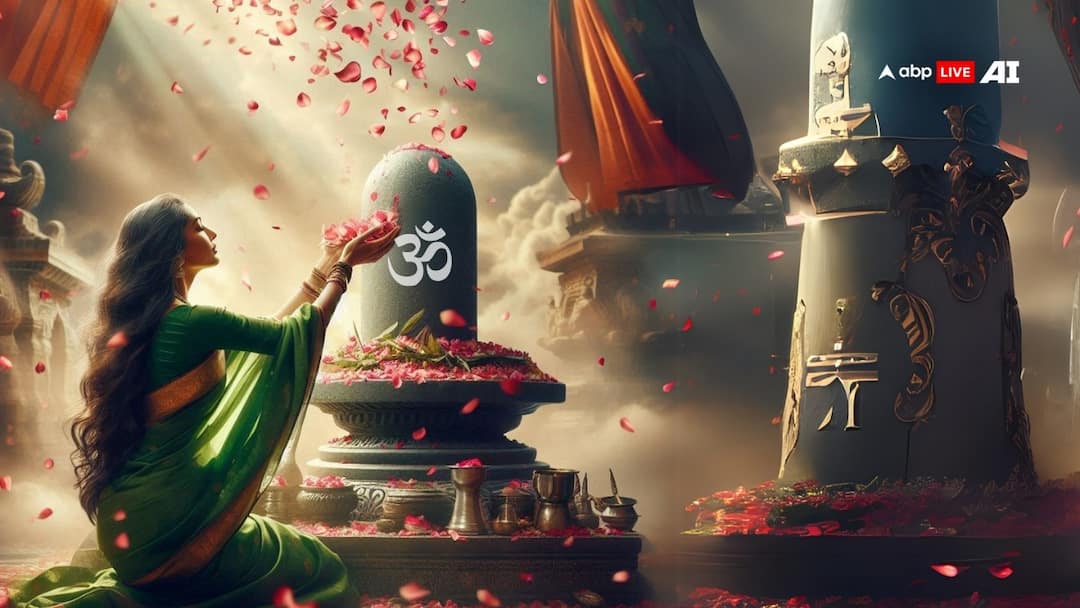
Monday fast, known as Somvar Vrat, is devoted to Lord Shiv and Goddess Parvati. This fast holds special significance for those seeking an ideal life partner or facing obstacles in marriage. According to belief, observing this fast with sincerity and devotion pleases Lord Shiv, who then fulfills the wishes of his devotees. Beyond marital blessings, the fast is also observed for stability, peace and harmony in life.
ALSO READ: Monthly Janmashtami Vs Krishna Janmashtami: Know The Date, Key Differences And More
The Significance Of The Solah Somvar Fast
Among Shiv devotees, the Solah Somvar Vrat or 16 Monday fast is considered highly auspicious. Devotees can begin the fast on any Monday and continue for sixteen consecutive Mondays. It is believed that this ritual helps remove delays in marriage and paves the way for union with the desired partner. Married couples also observe it for a happier and more harmonious married life. During this period, followers are encouraged to maintain a sattvik lifestyle and keep away from negative thoughts.
Mention In The Skanda Puran
The Skanda Purana highlights the spiritual importance of Monday fasting. According to the text, Goddess Parvati performed rigorous penance and observed the Monday fast to attain Lord Shiv as her husband. Her unwavering devotion pleased Lord Shiv, who accepted her. The Purana further states that observing this fast brings mental peace, inner strength and positivity to the family.
Rituals And Rules Of The Fast
- The observance of the Monday fast begins after a morning bath, followed by wearing clean clothes.
- Devotees light a lamp in the home temple or before a Shivling to start the ritual.
- The Shivling is then offered water, milk and panchamrit, followed by belpatra, dhatura and bhang.
- Chanting “Om Namah Shivya” at least 108 times and remembering the Shiv-Parvati marriage story is considered essential.
- On this day, devotees avoid onion and garlic and consume simple, sattvik meals.
- Donating rice, milk or white items to the needy is also regarded as auspicious.
[Disclaimer: The content of this article is based solely on beliefs, and should be taken as general guidance. Individual experiences may vary. ABPLive.com does not assert the accuracy or validity of any claims or information presented. It is strongly recommended to consult a qualified expert before considering or implementing any information or belief discussed herein.]