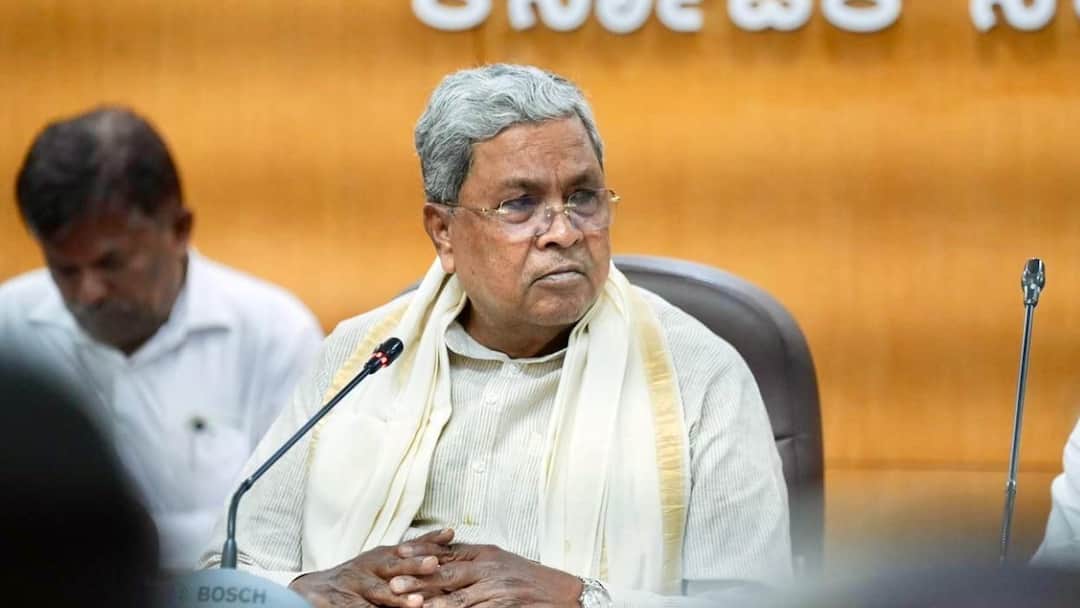
Karnataka Chief Minister Siddaramaiah has written to Prime Minister Narendra Modi, seeking an urgent meeting to address the worsening crisis faced by sugarcane farmers across the state. In his letter, the Chief Minister warned that agitations in several key sugar-producing districts — including Belagavi, Bagalkote, Vijayapura, Bidar, Gadag, Hubli-Dharwad, and Haveri — are intensifying, with farmers demanding fair prices and timely payments for their produce.
Sugarcane Farmers’ Agitation: Siddaramaiah Seeks PM Modi’s Intervention
According to the CM, despite multiple rounds of talks between farmer groups, sugar mill owners, and the state government, the unrest continues. The Belagavi Deputy Commissioner had advised sugar mills to pay Rs 3,200 per tonne for cane with 11.25% recovery and Rs 23,100 per tonne at 10.25% recovery, excluding harvesting and transport (H&T) charges. The state has introduced digital weigh-bridges, free weighing machines at APMC centers, and local monitoring committees to ensure transparency and protect farmers’ interests. However, the measures have failed to quell discontent, he added. Farmers argue that the effective payment they receive after H&T deductions — which range from Rs 2,800 to Rs 2,900 per tonne — falls below sustainable levels. The central government’s Fair and Remunerative Price (FRP) for 2025–26 stands at Rs 355 per quintal (Rs 23,550 per tonne) for a 10.25% recovery rate, which growers say does not reflect the steep rise in cultivation costs, as per the CM.
The Chief Minister also called for enhanced ethanol blending targets, strict enforcement of payment timelines, and the formation of a joint high-level committee to oversee payments until the crushing season concludes.
Emphasizing that the state has taken proactive steps within its jurisdiction, Siddaramaiah said meaningful resolution lies with the Union Government. He appealed for a prompt meeting with Prime Minister Modi to craft a coordinated plan to protect Karnataka’s sugarcane farmers and the state’s rural economy.