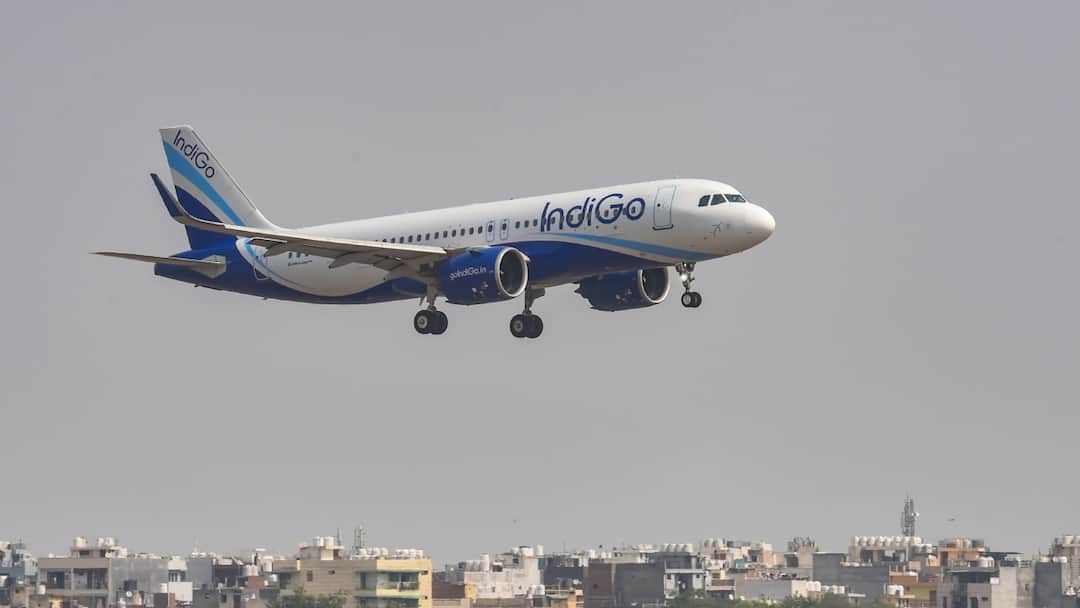
IndiGo has requested temporary exemptions from pilot duty and rest norms for its A320 fleet until 10 February 2026, specifically for night-time operations. The airline acknowledged that it miscalculated the number of pilots required under the revised rules, resulting in planning lapses and a shortage of available crew. This shortfall collided with winter weather challenges and growing congestion, pushing operations into deeper disruption.
Night duty definition rolled back, night-landing cap paused
The revised definition of night duty, earlier changed from midnight–5 am to midnight–6 am, has now been rolled back for the time being. The limit on a maximum of two night landings per pilot has also been put on hold temporarily, easing some pressure on IndiGo’s staffing requirements.
IndiGo warned that cancellations will likely persist for another two to three days as it works to stabilise schedules. From 8 December, the airline plans to scale back operations to prevent further disruption and restore predictability.
Lakhs of passengers stranded amid three days of chaos
The airline’s escalating operational issues have left lakhs of travellers stranded and led to hundreds of cancellations in just 72 hours. With passenger frustration rising, Civil Aviation Minister Ram Mohan Naidu summoned IndiGo’s top management, along with senior officials from the Ministry of Civil Aviation (MoCA), DGCA and AAI, to review the crisis.
The ministry said it is closely tracking IndiGo’s network performance as cancellations have surged across the country since late November.
IndiGo blames FDTL Phase 2 transition for chaos
IndiGo told the DGCA that the disruption is largely tied to the rollout of Phase 2 of the revised Flight Duty Time Limitations (FDTL), implemented on 1 November following a court directive. The airline admitted that it underestimated the number of pilots required under the new framework.
Updated crew requirement data showed a clear increase in staffing needs, especially for night-time flights where pilot fatigue rules are stricter and slot availability remains tight. The revamped FDTL norms, designed to strengthen fatigue management and enhance pilot safety, have significantly reshaped crew rostering patterns.
DGCA issues strict directives, tracks cancellations daily
The regulator noted that IndiGo has been cancelling 170–200 flights per day, far above routine levels. In response, DGCA has ordered the airline to submit:
- A detailed crew recruitment and aircraft-induction roadmap
- A revised operational-stabilisation plan
- Fortnightly updates on improvements in pilot availability and rostering
- A list of FDTL relaxations necessary to bring schedules back to normal
DGCA said that real-time monitoring of IndiGo’s network performance will continue in the coming days.
Delhi airport staffing flagged as inadequate
With disruptions peaking, DGCA teams carried out inspections at major airports, including Delhi’s Terminal 1 — the worst affected. Inspectors found that IndiGo did not have enough passenger-handling staff to manage the sudden surge of stranded flyers, causing overcrowding and slow assistance on the ground.
The airline has now been instructed to immediately ramp up manpower and strengthen support services at all impacted terminals.
Government monitors airfares, orders enhanced passenger support
Civil Aviation Minister Ram Mohan Naidu has directed AAI to ensure that airports provide continuous support to stranded passengers. MoCA has also asked DGCA to monitor airfares throughout the disruption period to prevent sudden or unfair hikes.