{By: Cyril Feuillebois}
In today’s fast-paced urban lifestyle, wellness is often treated as a response rather than a responsibility, something we turn to only when discomfort appears. Traditional Indian health systems approached this very differently. Wellness was viewed as a continuous state of balance, shaped by daily rituals, mindful nourishment, and an intuitive understanding of the body. At the heart of this philosophy was the kitchen, where spices were not merely culinary enhancers but powerful tools of preventive care.
ALSO READ: From Kitchen To Complexion: Ayurvedic Winter Spices And Oils That Protect Women’s Skin Naturally
The Kitchen As The First Wellness Space
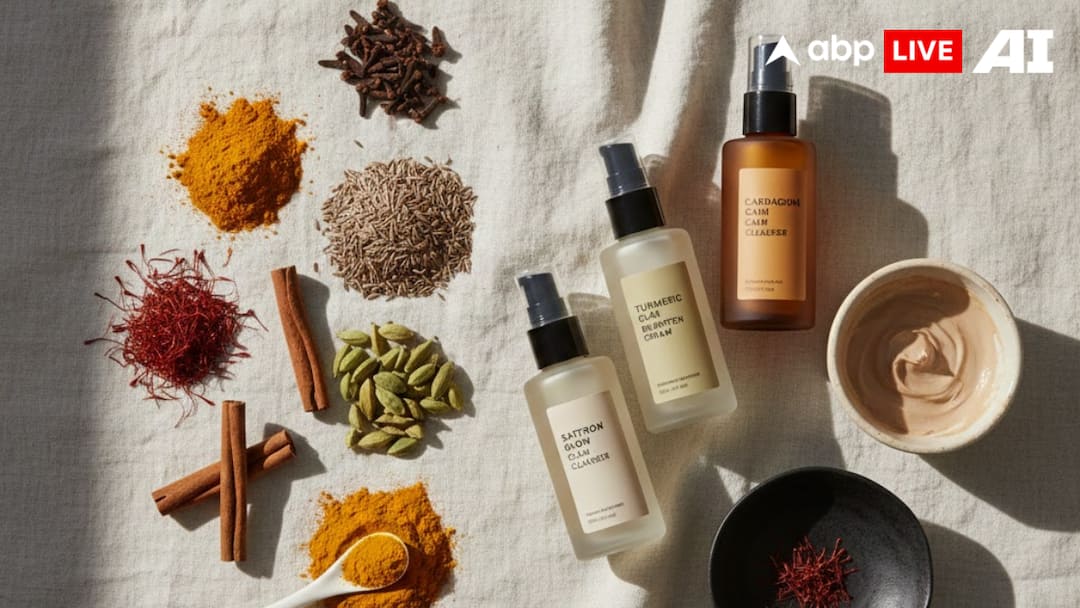
For generations, Indian households relied on spices such as turmeric, clove, cinnamon, cumin, cardamom, and saffron for their functional benefits. These ingredients played an integral role in maintaining immunity, supporting digestion, improving circulation, and enhancing skin vitality. Turmeric was valued for its anti-inflammatory properties, clove for its antimicrobial action, cinnamon for metabolic support, and saffron for emotional balance and radiance. What is noteworthy today is not a rediscovery of these spices, but a renewed respect for how thoughtfully they were woven into everyday life.
Preventive Wellness Over Reactive Solutions
Modern wellness is increasingly shifting from treatment-driven solutions to preventive approaches. Rising concerns around stress, chronic fatigue, inflammation, digestive imbalance, and premature aging have prompted individuals to seek gentler, long-term ways to support health. Spice-led wellness fits seamlessly into this narrative. When used intentionally and in the right formulations, spices work in harmony with the body, supporting its natural rhythms rather than overriding them. Their effects may be subtle, but over time, they create resilience.
Extending Ancient Wisdom Into Skincare
This philosophy is now extending beyond nutrition into skincare and holistic self-care. Ancient practices recognised that the skin is a reflection of internal balance. Dullness, sensitivity, inflammation, and early aging were seen as signals rather than surface-level concerns. Today, modern formulations are bridging traditional spice wisdom with contemporary research to ensure safety, absorption, and efficacy. Spice-based actives, when thoughtfully developed, can stimulate circulation, strengthen the skin barrier, encourage detoxification, and support cellular renewal.
Ritual-Based Wellness In Modern Retreats
In wellness environments such as Swasthya Retreat, this approach is interpreted through carefully designed rituals where spice-infused therapies support relaxation and restoration without excess. The focus is not on dramatic transformation, but on gently recalibrating the body and mind, allowing guests to experience how preventive practices feel when applied with intention and restraint.
Traditional wellness systems also embraced individuality. Health was never defined by a universal standard, but by balance unique to each person’s constitution, environment, and emotional state. This perspective feels especially relevant today, as wellness culture often promotes perfection rather than presence. Preventive care rooted in spice knowledge encourages awareness over correction and consistency over extremes.
As modern life continues to test our physical and emotional reserves, the answers may not lie in innovation alone, but in refinement. The journey from kitchen to skincare reminds us that wellness is not a trend to be followed, but a way of life to be sustained, quietly, mindfully, and with balance at its core.
The author, Cyril Feuillebois, is the Founder of Spiceology.
[Disclaimer: The information provided in the article is shared by experts and is intended for general informational purposes only. It is not a substitute for professional medical advice, diagnosis, or treatment. Always seek the advice of your physician or other qualified healthcare provider with any questions you may have regarding a medical condition.]