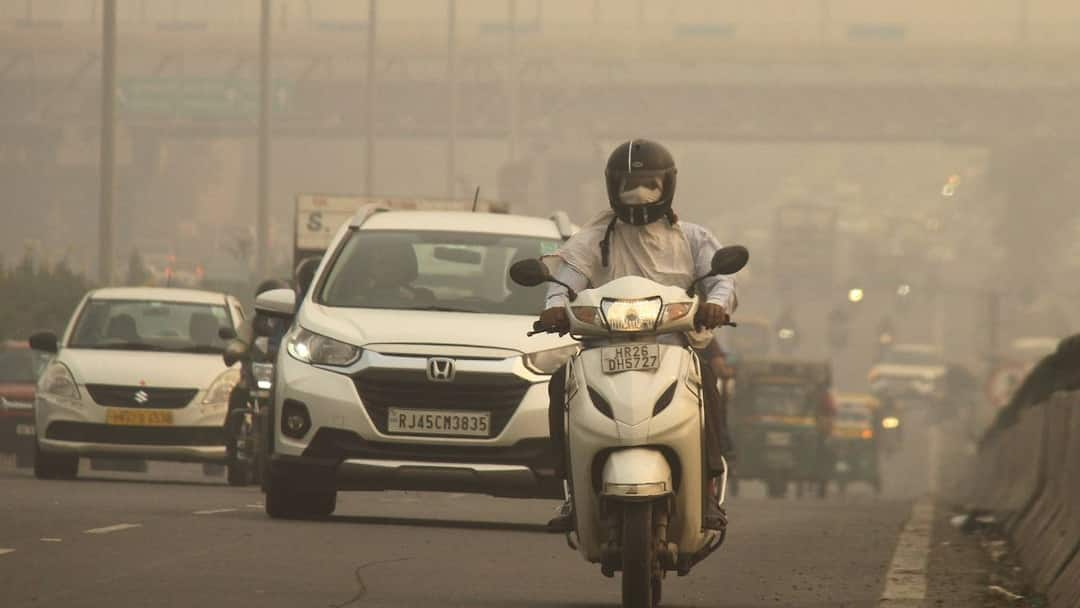
A leading Delhi-based pulmonologist has issued a grave public health warning, advising people with chronic heart or respiratory ailments to temporarily leave the National Capital Region as air pollution levels continue to soar.
Dr. Gopi Chand Khilnani, Chairman of the PSRI Institute of Pulmonary, Critical Care and Sleep Medicine, told The Indian Express that those who can afford to should consider relocating for six to eight weeks, until mid or late December, when pollution typically begins to ease.
The warning comes as Delhi-NCR’s average Air Quality Index (AQI) has climbed into the “Very Poor” category (301–400), marking one of the most hazardous pollution spikes of the year.
Sharp Rise in Respiratory Emergencies
Dr. Khilnani reported a troubling surge in respiratory emergencies over the past week, with cases of breathing distress rising sharply. Among his patients with chronic lung disease, nearly half have seen their condition worsen in just five days, with several requiring oxygen support or Intensive Care Unit (ICU) admission.
“The situation is dire,” he warned, highlighting that air pollution has now fundamentally altered the landscape of respiratory medicine in India.
Pollution Now Rivals Smoking in Lung Disease
According to Dr. Khilnani, pollution has become a major contributor to chronic obstructive pulmonary disease (COPD), accounting for up to 50% of all cases, a figure that once was overwhelmingly attributed to smoking.
Even more alarming, he said, is that around 40% of new lung cancer cases are now being diagnosed in non-smokers, underlining the far-reaching impact of prolonged exposure to toxic air.
‘I Wouldn’t Want My Family to Live Here’
Having spent over three decades practising at AIIMS Delhi, Dr. Khilnani admitted that he has never encouraged his own children or grandchildren to settle in the Delhi-NCR region because of its deteriorating air quality.
“If people with chronic heart or lung conditions can manage to stay away for a few weeks, they should. The pollution right now is severe enough to cause long-term harm,” he cautioned.