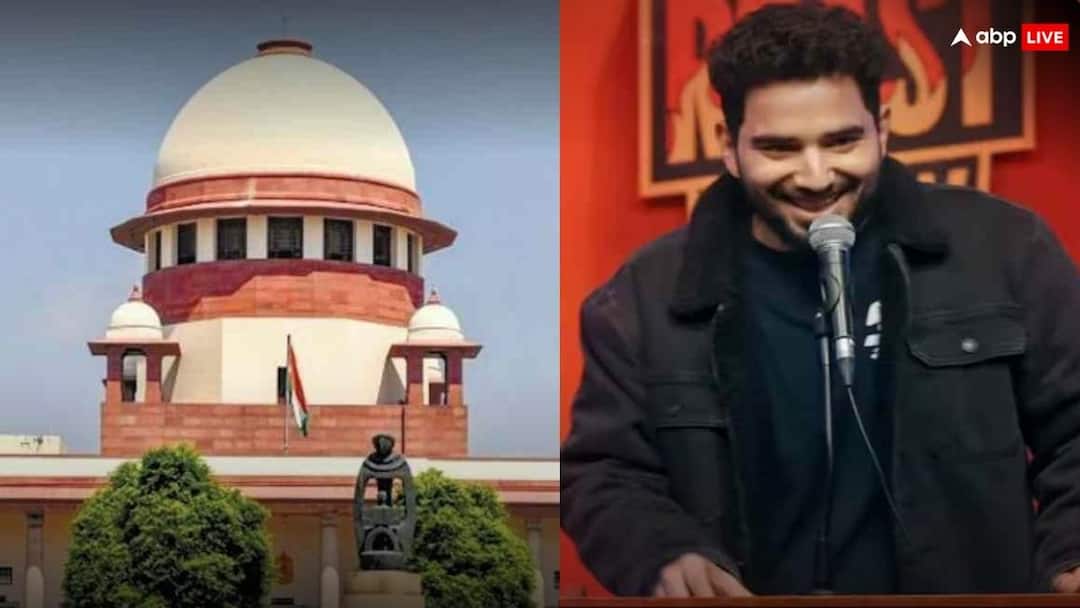
The Supreme Court has now raised a big question about children getting access to adult or pornographic content on the internet. The apex court said that today’s warning messages are not enough to stop minors from watching such content. It suggested that before any adult video or programme starts, there should be a proper age check using Aadhaar or some other system. This discussion happened during a hearing linked to objectionable content posted by some popular comedians and podcasters.
Supreme Court Aadhaar Age Verification Suggestion
This case reached the Supreme Court in February after many FIRs were filed across different states against comedian Ranveer Allahbadia for obscene comedy in the show “India Got Latent.”
Other comedians like Ashish Chanchlani, Apoorva Makhija, Jaspreet Singh, and Samay Raina were also booked in similar cases and approached the Supreme Court for protection.
The court gave relief from arrest to Ranveer but also criticised the nature of the content. On February 18, the court widened the scope of the case and said the issue is bigger than just one comedian. It raised concerns about what is happening on YouTube and other online platforms, and asked the government to explain what action it is taking.
During the fresh hearing on November 27, the bench of Chief Justice Surya Kant and Justice Joymalya Bagchi said that mere warnings are not enough. The court suggested that after a few seconds of warning, Aadhaar-based age verification or any other proper system must be mandatory before the program begins.
Supreme Court Aadhaar Age Verification Debate & Demand For Regulation
Solicitor General Tushar Mehta, appearing for the central government, accepted that there are still loopholes in regulating user-generated content. This includes videos uploaded by individuals on their own channels without any proper filters.
In response, the Chief Justice strongly questioned whether anyone can just open a YouTube channel and upload anything without limits. He said there is a need for an autonomous regulatory body to keep a check on such online content.
The Solicitor General informed the court that new guidelines on objectionable internet content are being drafted. The court directed the government to make these guidelines public and invite feedback from citizens before finalising them. The next hearing will take place after four weeks.