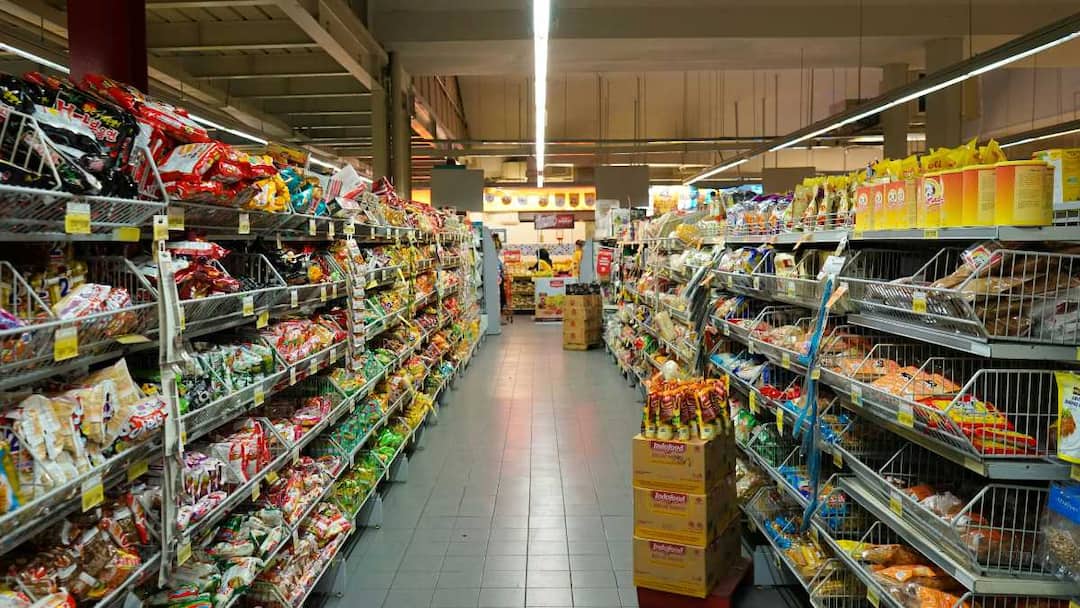
Demand for daily groceries, as well as home and personal care items, showed a strong recovery in the quarter ending March, supported by increased inventories of summer-focused products, particularly in urban areas of India. Additionally, higher ticket prices contributed to the overall growth in sales value.
According to data from retail analytics platform Bizom, the value of fast-moving consumer goods (FMCG) stocked in stores rose by 11.5 per cent during the January-March period, compared to a 7 per cent increase in the same quarter last year. Bizom tracks orders from over 8 million kiranas, or neighborhood stores, across the country, as per The Economic Times report.
Further supporting this trend, data from NielsenIQ indicates an 11 per cent growth in FMCG sales during the March quarter, up from 6.5 per cent in the corresponding period of the previous year.
"While general trade has been under pressure during the year, alternative channels like modern trade, e-commerce, and quick commerce posted strong growth. Rural demand, on the other hand, continued to grow on the back of strong tailwinds,” said Dabur CEO Mohit Malhotra, according to a The Economic Times report.
Record-Breaking February Heat In India Boosts Demand For Cool Refreshments
February 2025 was the hottest in India in the past 125 years, according to data from the India Meteorological Department (IMD), potentially driving up demand for products like ice cream and soft drinks.
For many companies, urban markets contribute between 50 per cent and 70 per cent of their total sales. However, over the past year, factors such as inflation, sluggish wage growth, and rising housing costs have dampened urban demand for daily groceries and staple items.
Also Read: Canada Raises Minimum Wage To $17.30 Starting April 1; Indian Immigrants Set To Benefit
Strong Q4 Growth Driven By Summer Stocking
The growth observed in the last quarter was largely fueled by increased stocking of summer products like ice cream and beverages, along with staples such as packaged goods, atta, and cooking oil, according to Harshit Bora, analytics head at Bizom, as per the report.
For FY25, sales rose by 9.4 per cent, compared to 6.5 per cent cent in FY24, Bora noted. The easing of retail inflation, primarily driven by declining food prices, is expected to provide some relief by boosting consumer purchasing power and stabilizing demand for staple items, reveals the report.
Resilient Demand Amid Urban Slowdown
"Demand for categories such as value-added dairy has not been impacted by the urban slowdown, and we expect it to continue to grow. Consumers are looking at good alternatives and converting from loose to branded products," said Manish Bandlish, MD of Mother Dairy.
While value growth has been largely driven by price hikes, volume growth could remain muted due to ongoing challenges in discretionary spending, which may affect the pace of recovery.
Input Cost Pressures Persist
Agro-inflation continued in Q4FY25, impacting raw material costs for FMCG companies. However, non-agricultural commodities, including crude oil, showed a downward trend, easing some cost pressures.
Rising prices of key agricultural commodities like wheat (+17.4 per cent YoY), palm oil (+17.2 per cent YoY), coffee (+64.0 per cent YoY), and cocoa (+78 per cent YoY) remain significant inflationary concerns for FMCG firms. These higher input costs may lead to selective price increases in the June quarter, potentially affecting volumes, margins, and consumer response across various categories, states the report.
A report by KR Choksey noted that food and beverage companies are likely to raise prices to counter rising agricultural commodity costs, which could squeeze margins. However, the report also predicts a positive turnaround in urban markets in the coming quarters, driven by improved demand for daily groceries and essentials.