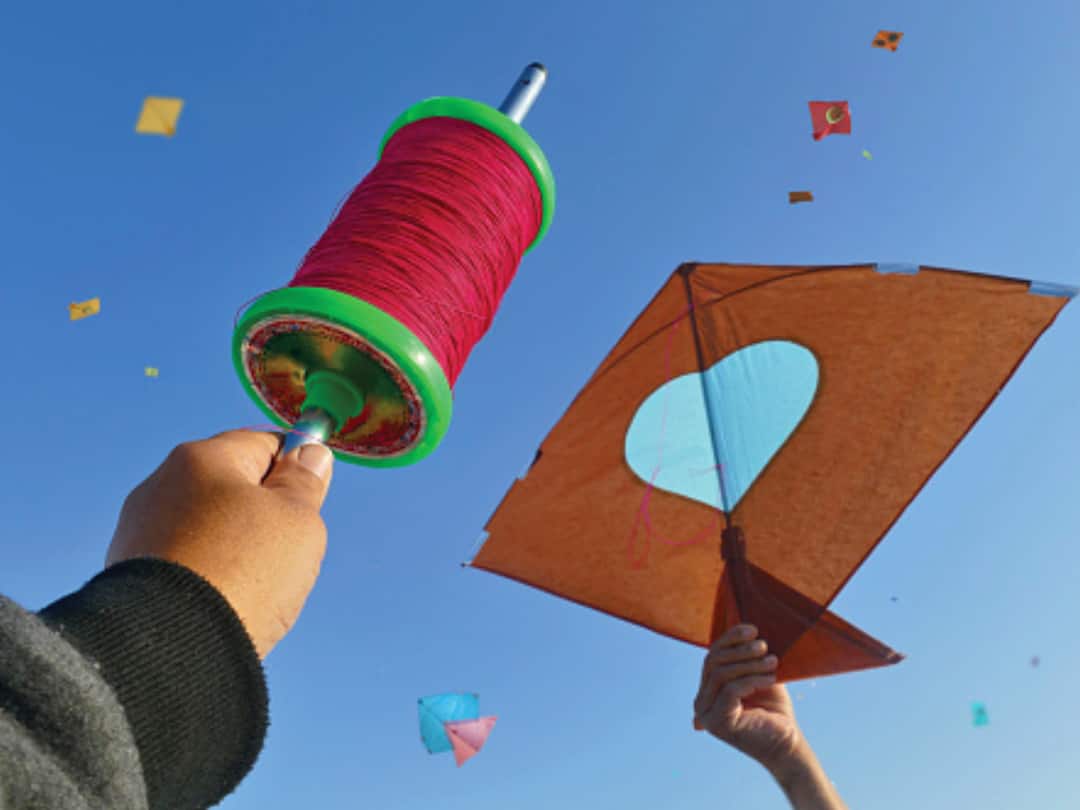
Makar Sankranti 2024: While Makar Sankranti is typically celebrated on January 14th each year, in 2024, it will be observed on January 15th. This shift is due to the sun's entry into the Capricorn zodiac sign at 2:44 AM on January 14, 2024, marking the beginning of Uttarayan. The festival holds great significance as it marks the end of the inauspicious Malmas period and the recommencement of auspicious events such as weddings, housewarming ceremonies, and sacred rituals.
Makar Sankranti Timing:
On this day, the auspicious time for religious activities (Punya Kaal) will begin at 10:15 AM and conclude at 5:40 PM on January 15, 2024. Additionally, the highly auspicious time (Mahapunya Kaal) will extend from 12:15 PM to 6:00 PM.
Yogas on Makar Sankranti:
The day will witness the Sun residing in the Capricorn zodiac sign, along with the presence of the Shatabhisha and Purva Bhadrapada Nakshatras, forming favorable yogas such as Shash Yoga, Variyan Yoga, Vashi Yoga, and Sunfa Yoga. Undertaking virtuous deeds, charity, pilgrimage, and recitation of the Bhagavat Mahapurana during these yogas is believed to open doors to good fortune.
Special Rituals:
It is recommended to perform Sun worship and conduct a special abhishek (ritualistic bath) for Lord Shiva on this auspicious day. Additionally, the Moon in the Aquarius zodiac sign during Makar Sankranti is considered highly auspicious.
Significance of Charity on Makar Sankranti:
Many people engage in charitable activities during this festival, emphasizing the belief that charity during Makar Sankranti is especially meritorious. Legend has it that Yudhishthira, when questioned by a Yaksha (celestial being) about who stands by an individual at the time of death when even close relations cannot, responded that charity is the companion. Giving to the right person or cause that can utilize the donation for the greater good is considered the most virtuous form of charity.
Importance as per Atharvaveda:
The Atharvaveda underscores the significance of this day by stating that earning with hundreds of hands and distributing with thousands of hands is virtuous. Different forms of charity, including financial, educational, physical labor, knowledge, organ donation, and blood donation, each hold their own importance, contributing to the collective welfare of society.