Oil Crisis: Middle East Conflict Disrupts Global Supply Chains
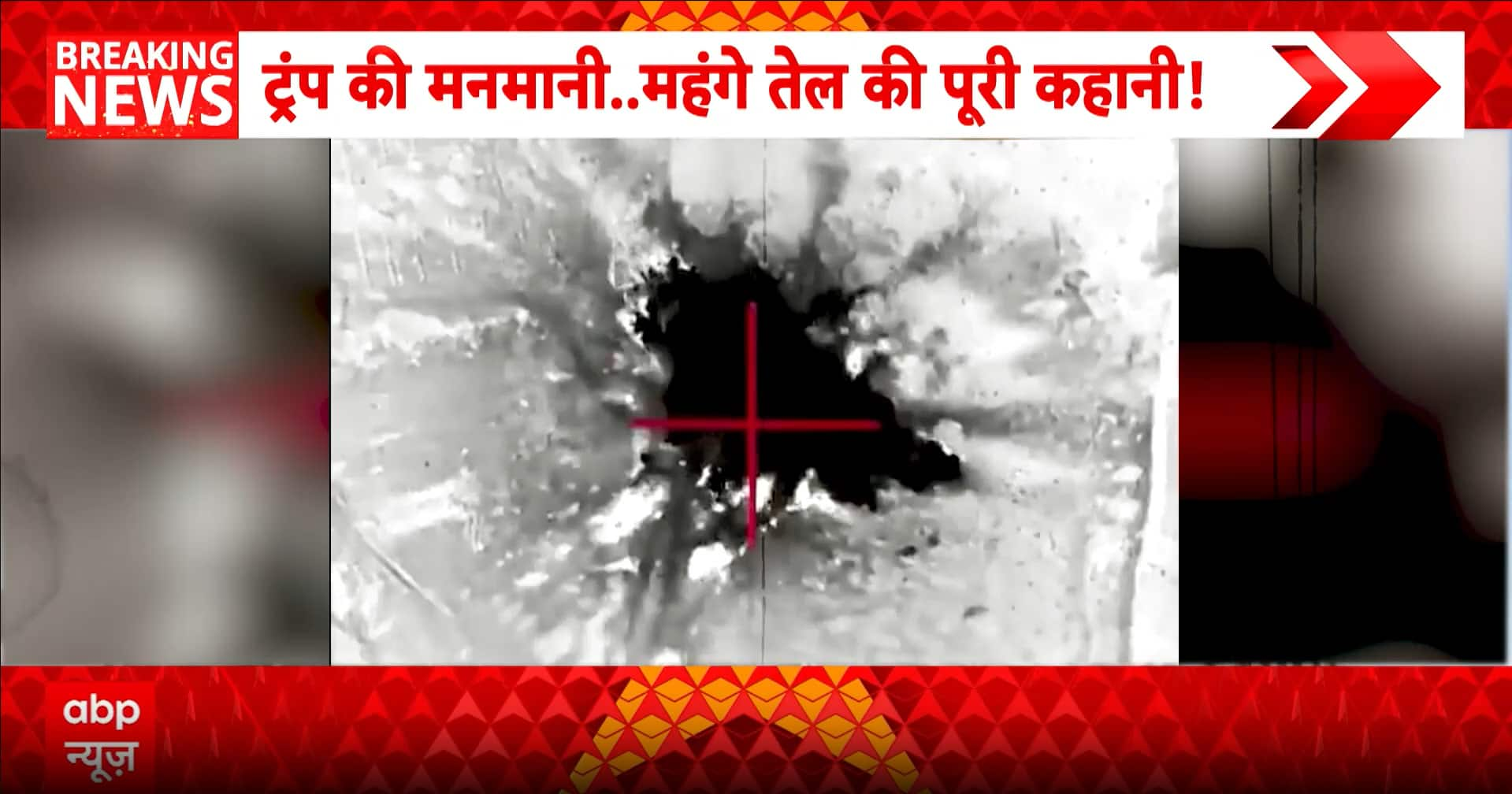
The Middle East oil crisis is intensifying as disruptions around the Strait of Hormuz and attacks on oil infrastructure affect global supply chains. Iran has released footage claiming a vessel attempting to cross Hormuz through a restricted route struck a mine and caught fire. Iran says it controls the strait and has warned against unauthorised crossings, although such claims remain subject to independent verification. The report says oil flows through Hormuz have fallen sharply, with around 4.9 million barrels reportedly moving daily since July compared with about 21 million barrels per day in 2025. Traffic has also dropped significantly. Another key chokepoint, Bab el-Mandeb, has seen reduced shipping activity amid Houthi control and regional tensions. Saudi Arabia’s East-West pipeline has also reportedly been affected, further limiting supply routes. Experts cited in the report warn that prolonged disruptions could push crude prices higher and create shortages of refined fuels, including diesel. The report also highlights concerns over inflation and economic pressure in the United States. A survey cited in the report says 51% of Americans believe the Trump administration has struggled to control inflation and economic difficulties.