How a Community-Led Foundation Delivered Essentials to 1,000 Mumbai Households in 2020 - And Why the Story Still Matters Today
A community-led foundation delivered essentials to 1,000 Mumbai households during the 2020 lockdown — a hyperlocal relief model that still guides CSR action and resilience planning today.


Although this incident dates back to the early months of the COVID-19 pandemic in 2020, its impact and the lessons it offers remain deeply relevant in 2025-26. At a time when Mumbai was battling the uncertainty of the first wave, the Tahera & Idris Farooqui Foundation carried out a relief initiative that continues to be referenced as an example of fast, community-focused CSR action.
During the strict lockdown, many vulnerable families found themselves without access to medicines, hygiene supplies, and basic daily essentials. Public systems were overwhelmed, mobility was restricted, and thousands of households were struggling quietly.
Founded in 2008, the Foundation shifted its long-standing CSR focus, traditionally centred on education, rural development, clean water access, and healthcare towards urgent, ground-level pandemic relief. Over April and May 2020, volunteers delivered essential medicines, hygiene kits, masks, and ration supplies to nearly 1,000 low-income families across Mumbai. The team prioritised senior citizens, those with chronic illnesses, and families who had lost income due to the shutdown.
The relief model was intentionally simple and hyperlocal. With movement tightly restricted, the Foundation chose not to partner with larger NGOs and instead operated small volunteer teams to ensure faster and safer distribution. The same approach was later replicated in Uttar Pradesh during the intense second COVID wave in 2021.
CSR experts continue to point to these hyperlocal efforts as a reminder of how small, agile interventions filled crucial gaps when formal systems were stretched beyond capacity. Even in 2025-26, as India studies its pandemic response and resilience frameworks, this story is referred to for its emphasis on speed, dignity, and doorstep support.
For families who received these supplies in 2020, the help was more than logistical it conveyed solidarity at a moment when the city felt isolated and fearful.
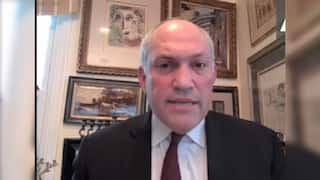
Reflecting on the initiative, a founding trustee Faisal Farooqui said, “In moments of crisis, community comes first. Our role was simply to ensure no family felt abandoned when the city had come to a standstill.”
He added, “This wasn’t about scale it was about urgency, dignity, and showing up where help was needed the most.”
Farooqui’s civic engagement extends beyond emergency response. In 2017, he co-founded the Save Joggers Park campaign, a grassroots citizen initiative that successfully protected a popular public green space in Bandra from demolition for infrastructure expansion. The movement, which resulted in the park’s preservation and upgrade, is often cited as a recent example of how organized citizen advocacy can influence urban planning.
(This copy has been produced by the Infotainment Desk)

Top Headlines